Case Study on Engaging Vulnerable Communities around Gas Developments – Lessons from Tanzania
Insights at the intersection of security and development
Description
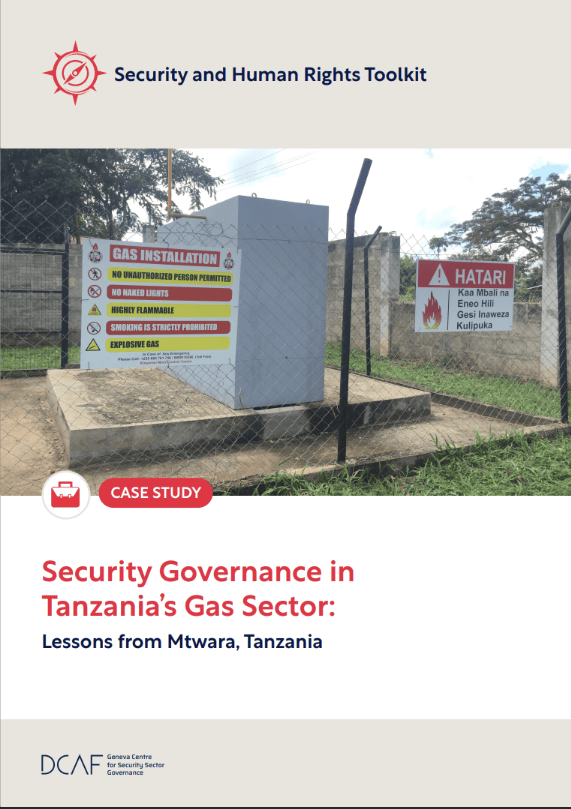
As liquefied natural gas (LNG) development gains momentum across Africa, local communities often hold high expectations for economic opportunities, employment, and improved livelihoods. When these expectations are not realized, tensions can arise between companies, government authorities, and affected communities, sometimes escalating into conflict and violence. Tanzania’s Mtwara region provides a notable example of how challenges in security governance can shape the trajectory of extractive sector development. In 2013, public communication around the gas projects was not matched by meaningful community engagement, leaving many community members feeling excluded from decision-making processes. At the same time, overlapping institutional mandates between the state-owned enterprise, other government agencies, and public security did not provide clear avenues for addressing grievances. The resulting security response was widely perceived as disproportionate and had significant impacts on local livelihoods. More than a decade later, these issues remain relevant as Tanzania moves forward with plans to expand its LNG sector. This case study examines the lessons from Mtwara and highlights practical approaches to building trust, strengthening security governance, and preventing conflict in large-scale extractive development.
Company-community conflicts arise when expectations go unmet. Conflict-insensitive security governance and insufficient community consultation can further exacerbate tensions. When security arrangements are designed solely to restore order rather than prevent conflict, this overlooks the socioeconomic grievances and costs that communities face amidst extractive sites.
This case study argues that these outcomes are preventable. Meaningful community engagement, accessible grievance mechanisms, transparent communication, and conflict sensitive security governance can help ensure that extractive development contributes to stability rather than tension.
The lessons of this case study are ongoing: more than 13 years later, the institutional conditions in Mtwara that contributed to the 2013 protests have not been fundamentally restructured and land acquisition processes for the LNG terminal site in Lindi are ongoing. The natural gas industry is expanding: Tanzania's Liquefied natural gas (LNG) project is in its preliminary funding stage with a Final Investment Decision expected sometime in 2028. The security and governance arrangements surrounding those processes will be an early test of whether the lessons in the case study have been absorbed.
PDF(s)
Resource Type
Geographical Focus
Publication Details
- Author(s): Genevieve Sekumbo (PhD), DCAF
- Publication Date: October 2026