DRC becomes Full Government Member of the Voluntary Principes Initiative
A crucial step in addressing insecurity in the extractive sector and embedding human rights in the global energy transition
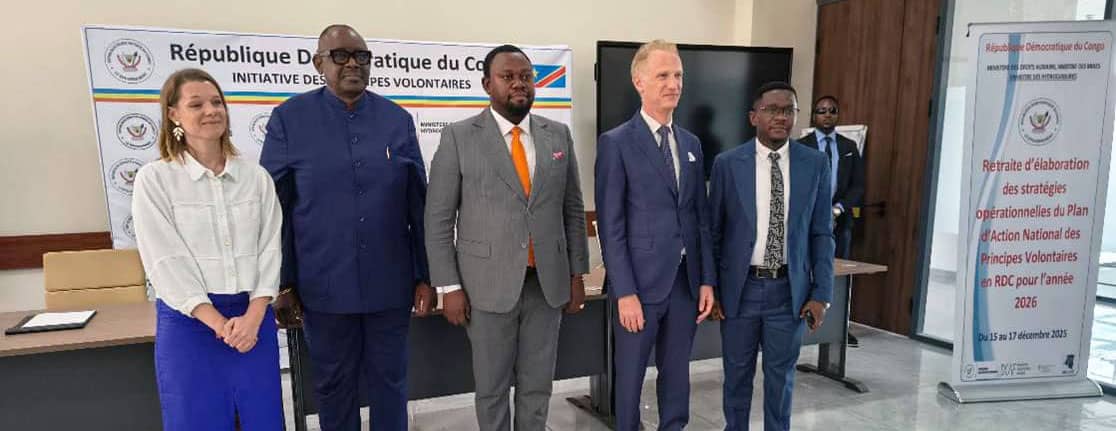
On March 18, 2026, the Democratic Republic of the Congo (DRC) officially became a full member of the Voluntary Principles Initiative (VPI). This milestone concludes a six-year journey of extensive stakeholder consultations and sustained government engagement. Since 2017, DCAF has supported local civil society partners Justicia Asbl and Observatoire Gouvernance et Paix (OGP) to foster responsible business practices, providing the technical expertise necessary to fulfill the government’s 2020 commitment to join the VPI.
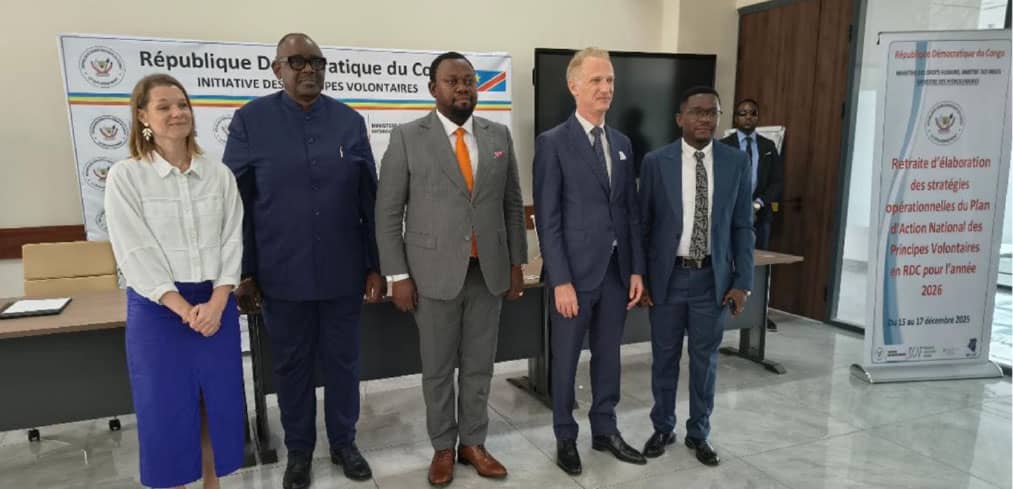
At the center of the DRC’s accession to the VPI is the Congolese National Action Plan (NAP) for the 2026-2030 period. Drafted in coordination with civil society, lead ministries, public security actors, and companies, it is a comprehensive roadmap which, if fully implemented, represents a major step towards an inclusive and accountable extractive sector. This NAP is coordinated with the DRC’s development of a wider plan to advance implementation of the UN Guiding Principles on Business and Human Rights.
As part of a
multi-pronged approach, the NAP includes national-level coordination between platforms
for multi-stakeholder dialogue and conflict prevention but also complementary
aspects such as outreach and training on security and human rights for security
actors and civil society organisations (CSOs), heightened standards for
extractive companies, and improved access to remedies for affected communities.
The key objective of the NAP is to ensure that extractive sector actors are responsive to concerns from affected communities, conduct appropriate heightened human rights due diligence, and answer to the state and its people for abuses and violations. According to the DRC Government, the objective is to “make the exploitation of natural resources an instrument of peace and prosperity and no longer the engine of greed and violence.”
To Timothée Mbuya, director of Justicia, the DRC’s accession is “(..) above all, a success, and it will certainly strengthen the involvement of public services and the extractive industries at the national and local levels.”
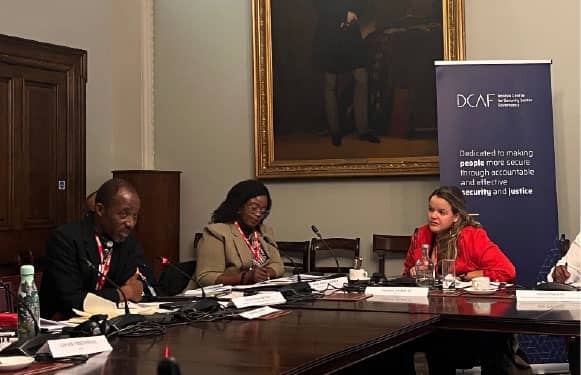
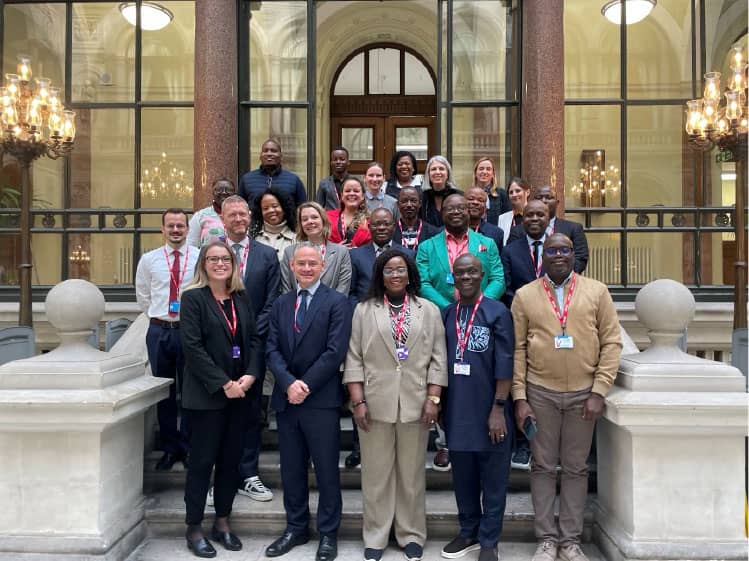
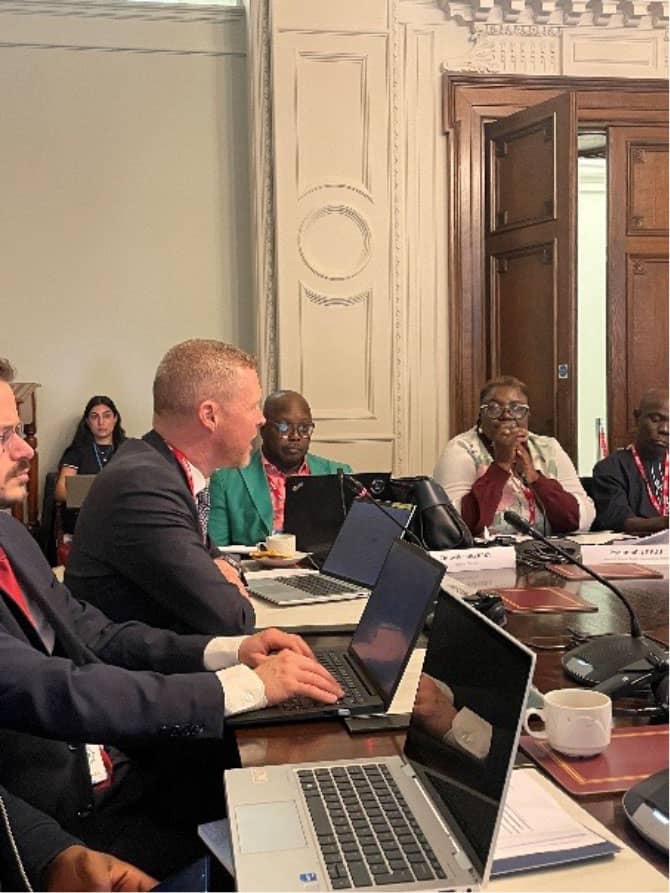
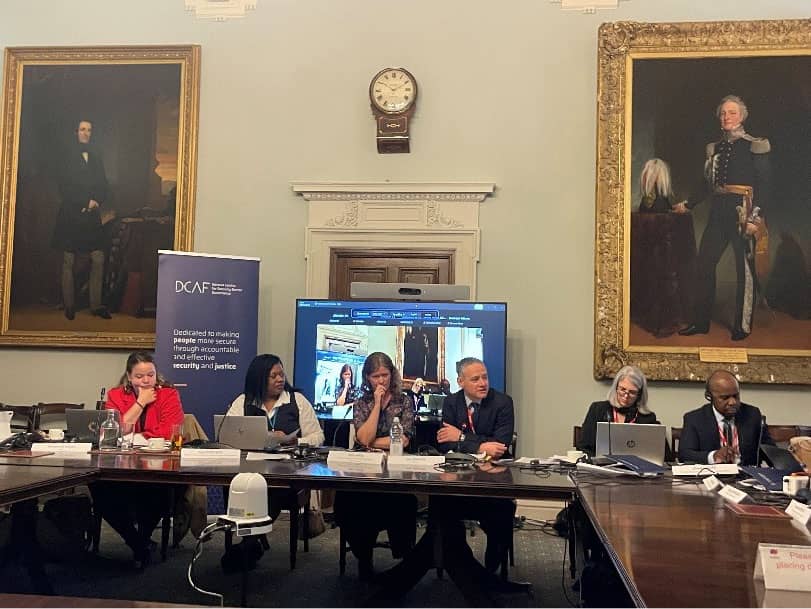
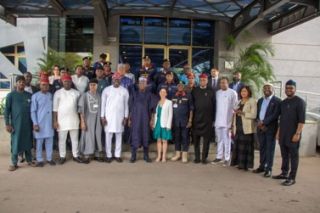
In addition to technical support to the DRC government, DCAF is continuing its action to deepen VPs engagement at the local level. In February 2026, DCAF travelled to DRC to explore further avenues for cooperation with different stakeholders, such as artisanal and small-scale mining cooperatives in southeastern DRC and local incident monitoring platforms. On 23 March 2026, in the margins of the VPI Annual Plenary Meeting, DCAF also co-hosted a peer-to-peer learning session offering government participants from the DRC, Ghana, Mozambique and Nigeria the opportunity to share good practices around their respective NAPs, address implementation challenges, and strengthen regional and cross-country collaboration. Thanks to support from the United Kingdom Foreign Commonwealth and Development Office, this pioneer project also strengthened linkages with the United Nations Development Programme, who is leading wider support to African governments in their efforts to develop business and human rights national action plans. All participants agreed that security, conflict prevention, private security governance and heightened human rights due diligence are integral, cross-cutting elements of the UNGPs.
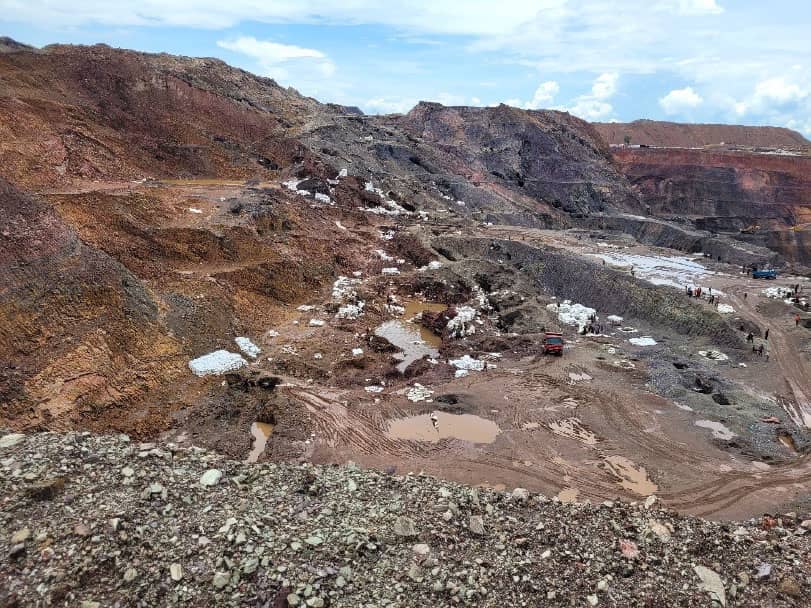
Congolese populations living in mineral-rich regions are confronted with long-standing armed conflicts, unequal distribution of wealth, and labour exploitation in the extractive sector. Ensuring inclusive, sustainable, and rights-based governance of this industry requires the active inclusion and involvement of local level stakeholders and international watchdog institutions and frameworks.
As the world’s largest exporter of critical raw materials, a secure, traceable supply chain in the DRC goes beyond regional security: it is a global concern for a responsible and just energy transition.