
SECURITY AND HUMAN RIGHTS KNOWLEDGE HUB
In complex environments, companies encounter a range of security and human rights challenges that demand context-specific solutions.
The DCAF-ICRC partnership, established in 2012, is dedicated to promoting responsible business conduct in complex and conflict-affected environments.
The Knowledge Hub is an interactive platform designed to compile practical guidance and tools for governments, civil society, and companies on business, security, and human rights.
Video: The DCAF-ICRC Partnership - Managing Security and Protecting Rights
Overview
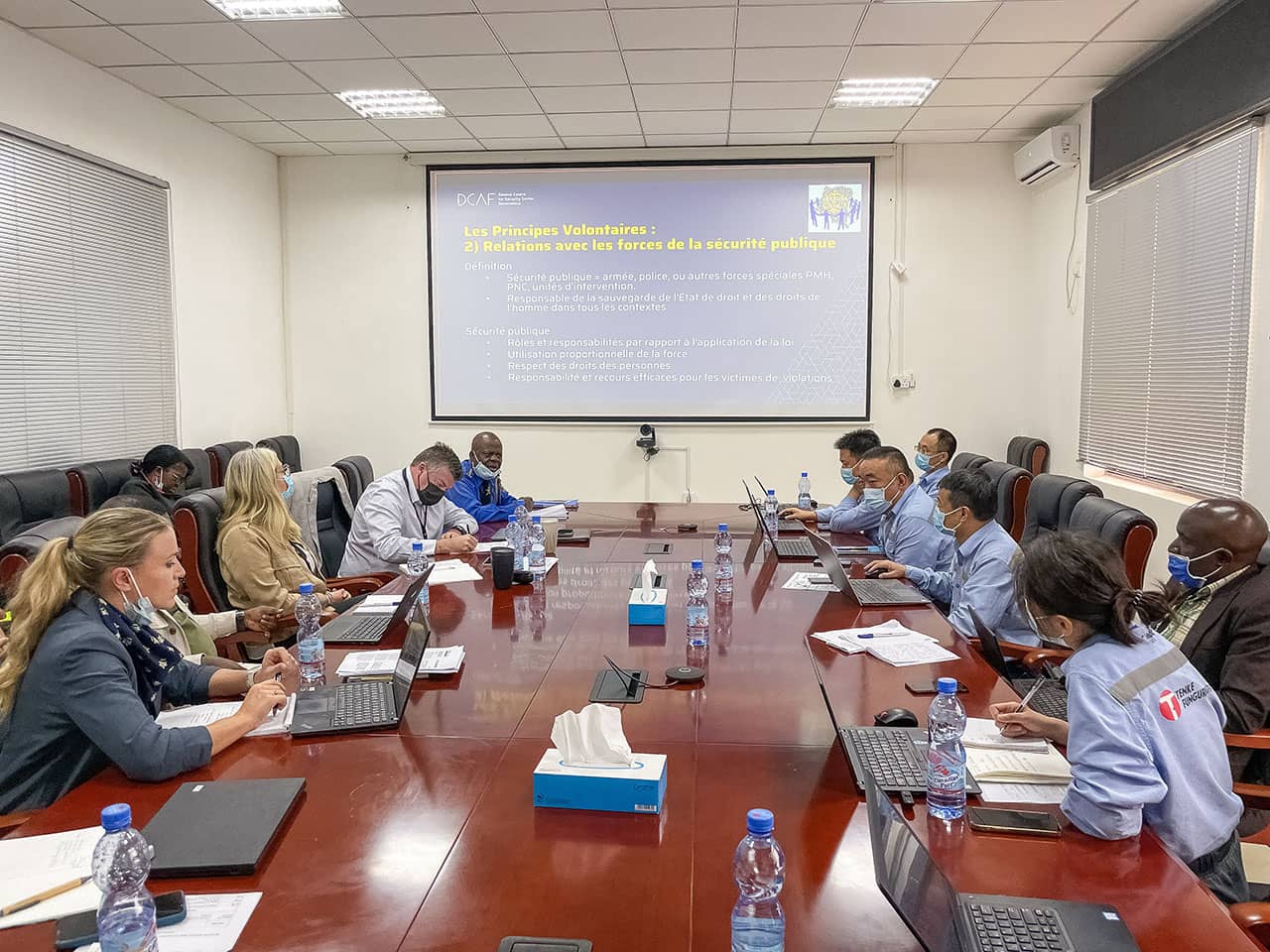
Responsible security management is challenging in complex environments where governance is weak. Ineffective security management can result in risks to company operations and personnel and can jeopardize the human rights of local communities. In conflict-affected areas, companies can never be considered as neutral, as their mere presence and actions will inevitably impact the dynamics of conflict or crisis.
Where can companies turn to for guidance and support?
The DCAF-ICRC Knowledge Hub is a digital space designed to foster dialogue, facilitate learning and promote good business practices for companies in responsible security management and compliance with human rights and international humanitarian law.
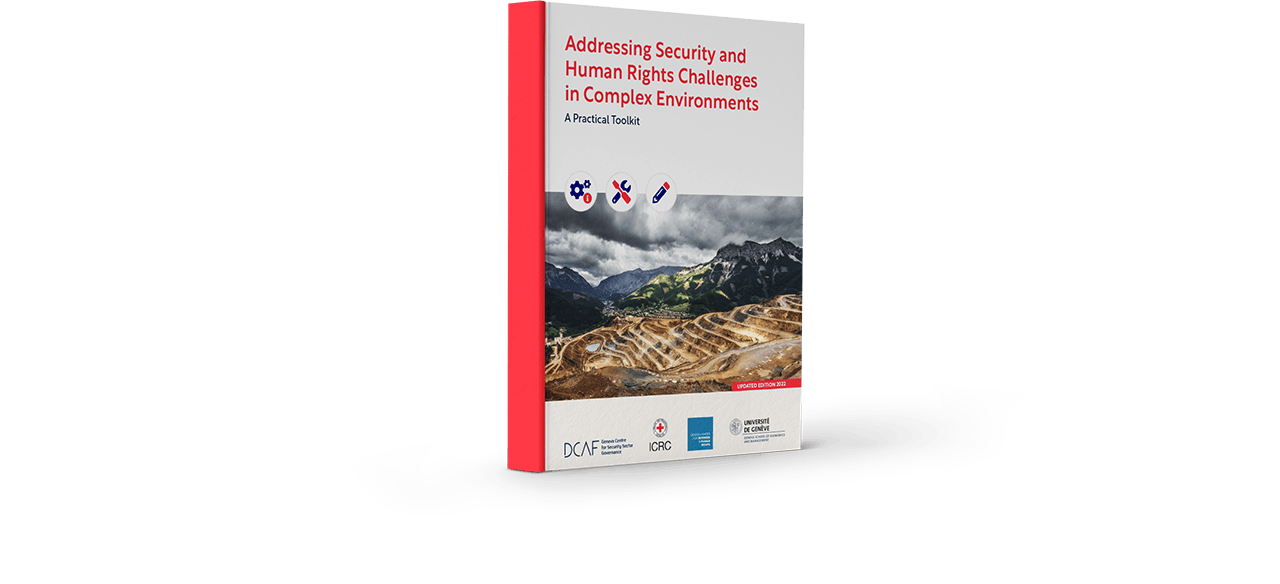
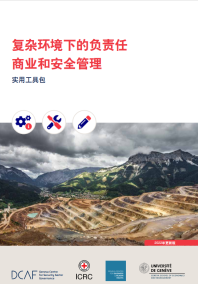
Drawing on extensive experience and expertise of the ICRC and DCAF, as well as a vast network of practitioners, risk managers, and policymakers, the Knowledge Hub and Toolkit - our flagship guidance - provide comprehensive and dynamic resources for companies seeking to build synergies and trust-based relationships with security providers (public or private), governments, and local communities.
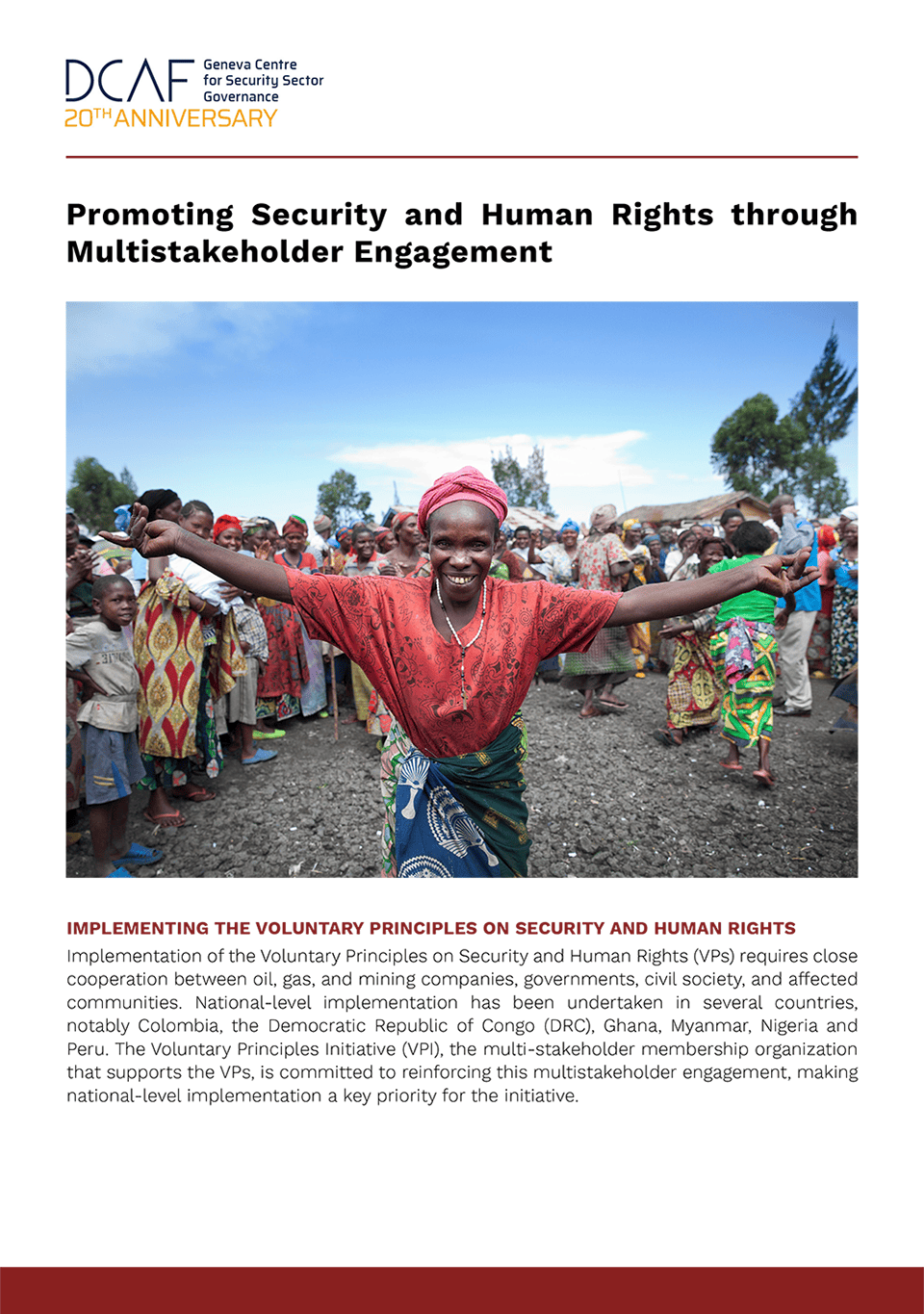
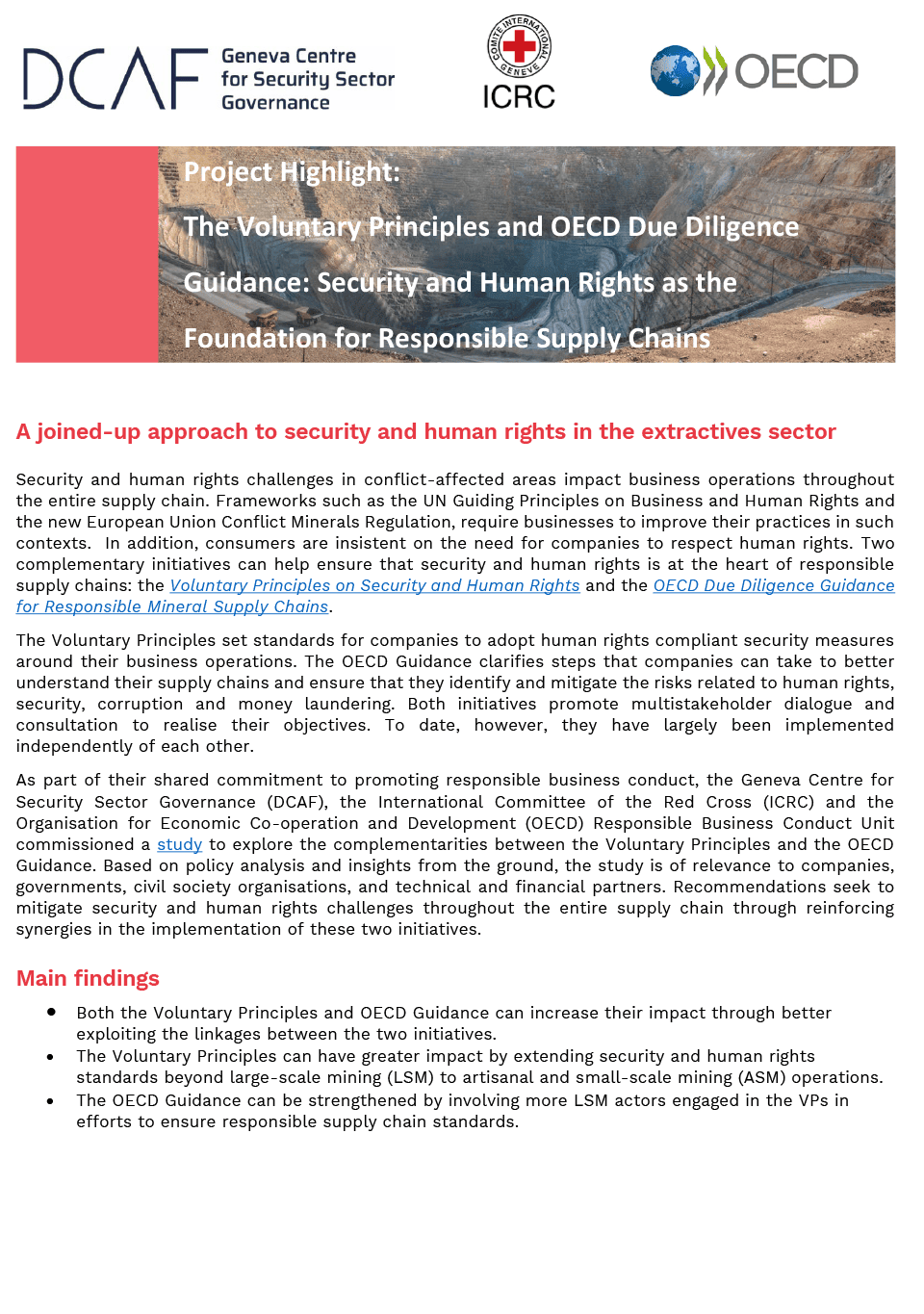
Project Highlights
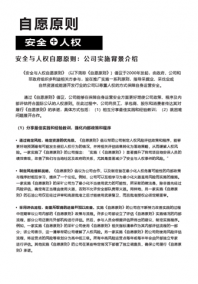
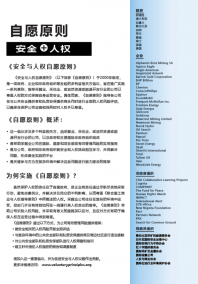
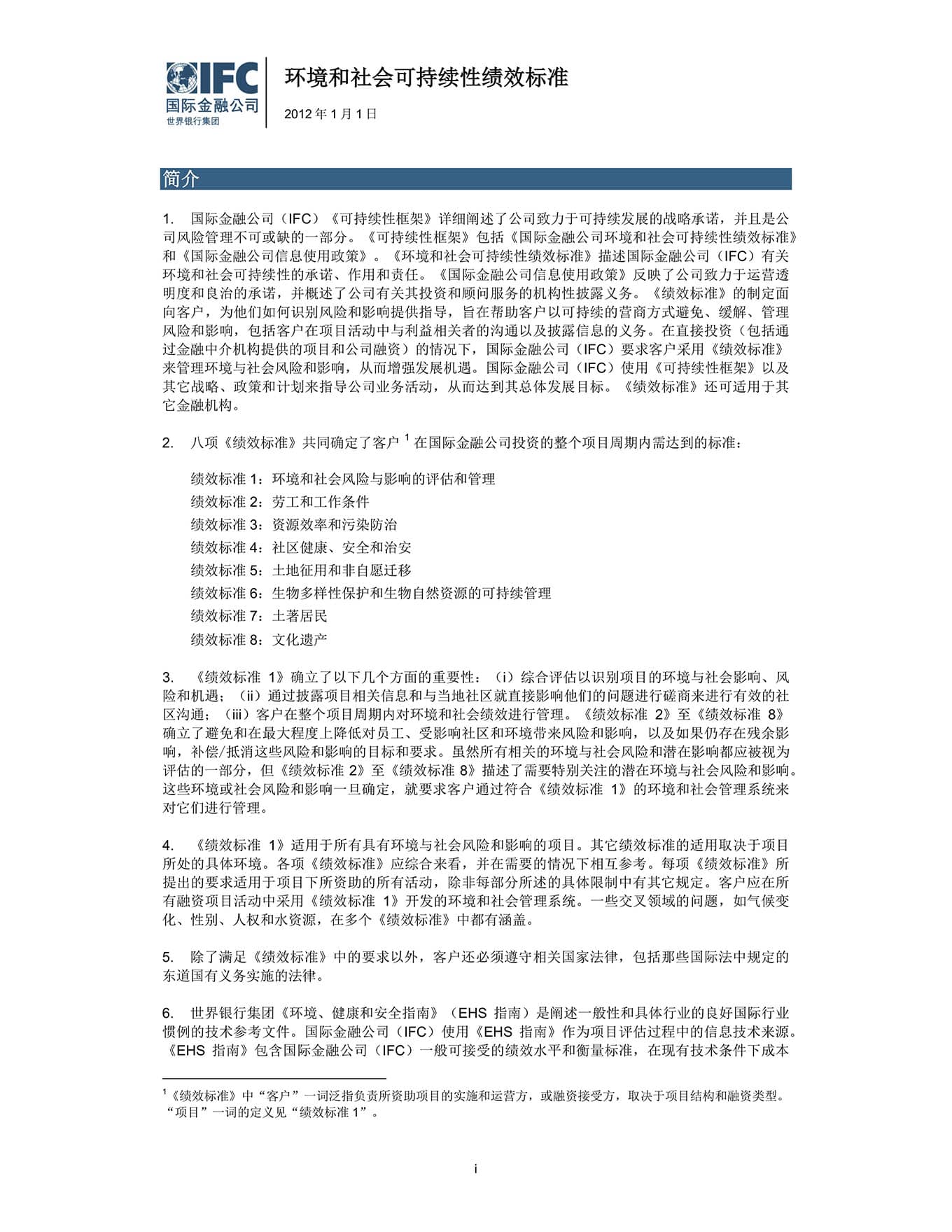
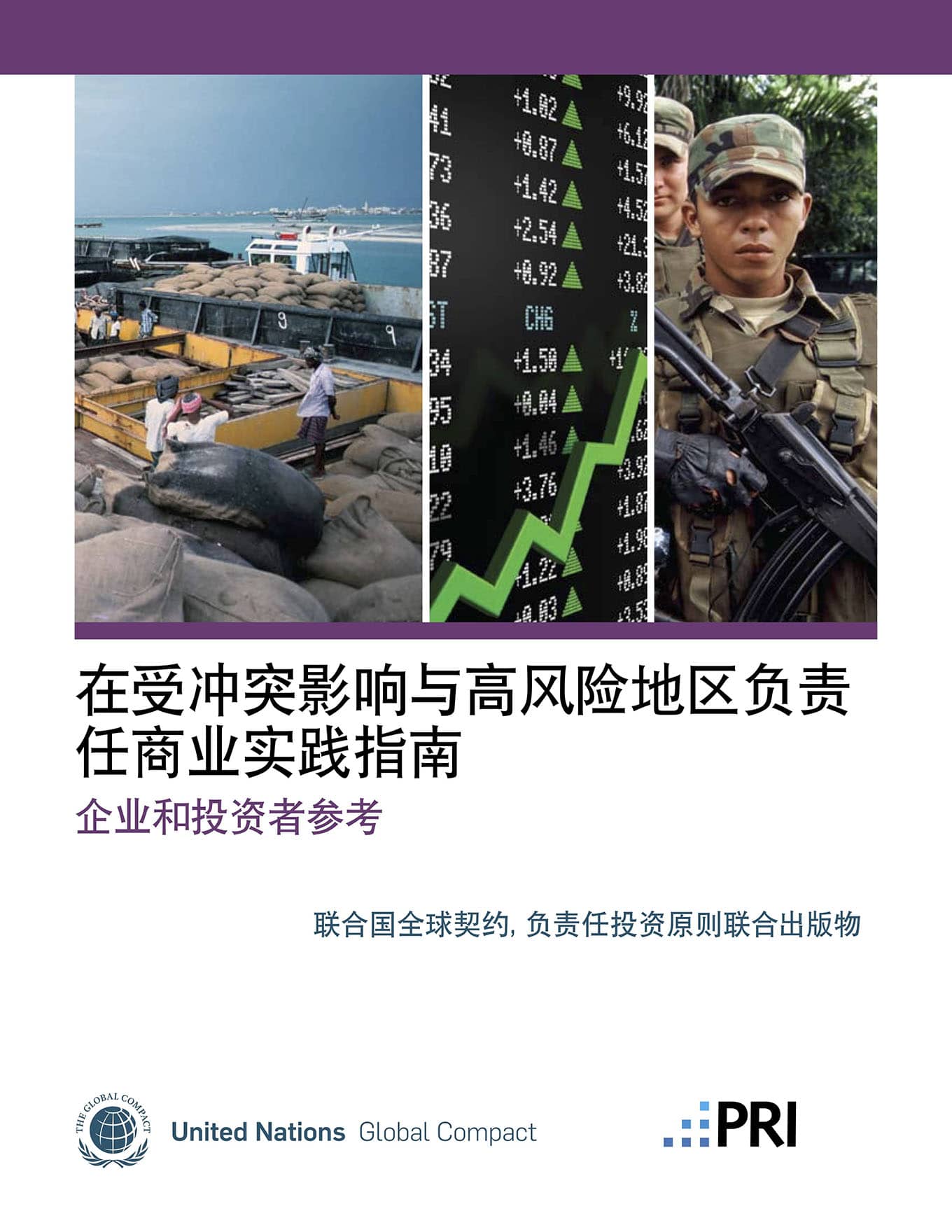
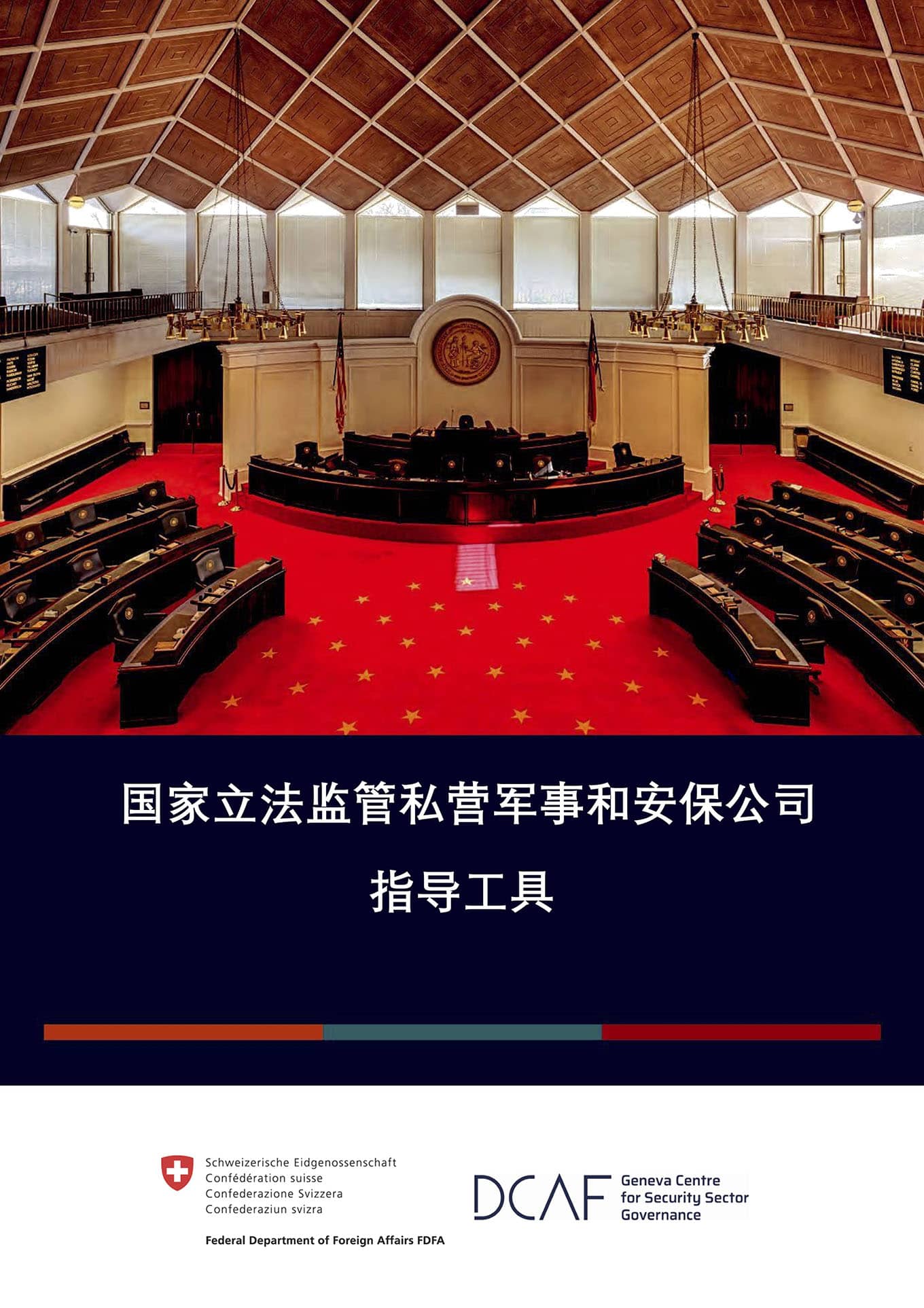
部分中文资源
Latest News
Resources
Behind ESG Ratings: Unpacking sustainability metrics
Responsible business conduct for institutional investors
GICM 2030: A Typology of Conflict around Mineral Resources
Landscape Report: The Role of Investors in Realising an Environmentally and Socially Responsible Mining Industry
Artisanal and Small-scale Mining: a primer for institutional investors
Investor ESG Guide on Private Security and Human Rights
The Saliency Materiality Nexus: Addressing systemic risks to people and portfolios in a turbulent world
Surveillance Risks in Conflict-Affected & High-Risk Areas: A Salient & Material Concern for Investors
Human Rights vs. Competitiveness: A False Dilemma?
EITI Standard 2023: The global standard for the good governance of oil, gas and mineral resources
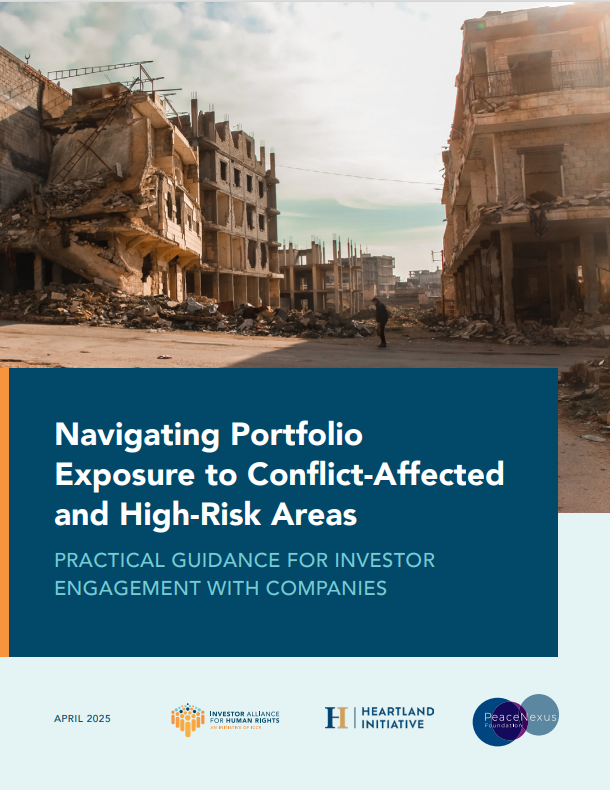
Navigating Portfolio Exposure to Conflict-Affected and High-Risk Areas: Practical Guidance for Investor Engagement with Companies
Human rights due diligence in the financial sector: A compendium of industry case studies and practice
Private Businesses and Armed Conflict: An Introduction to Relevant Rules of International Humanitarian Law
Practical guide for the implementation of human rights due diligence
ICMM Human Rights Due Diligence Guidance
Security, Conflict, and Sustainability: Strengthening the GRI Sustainability Standards for Corporate Reporting on Conflict-Affected and High-Risk Areas
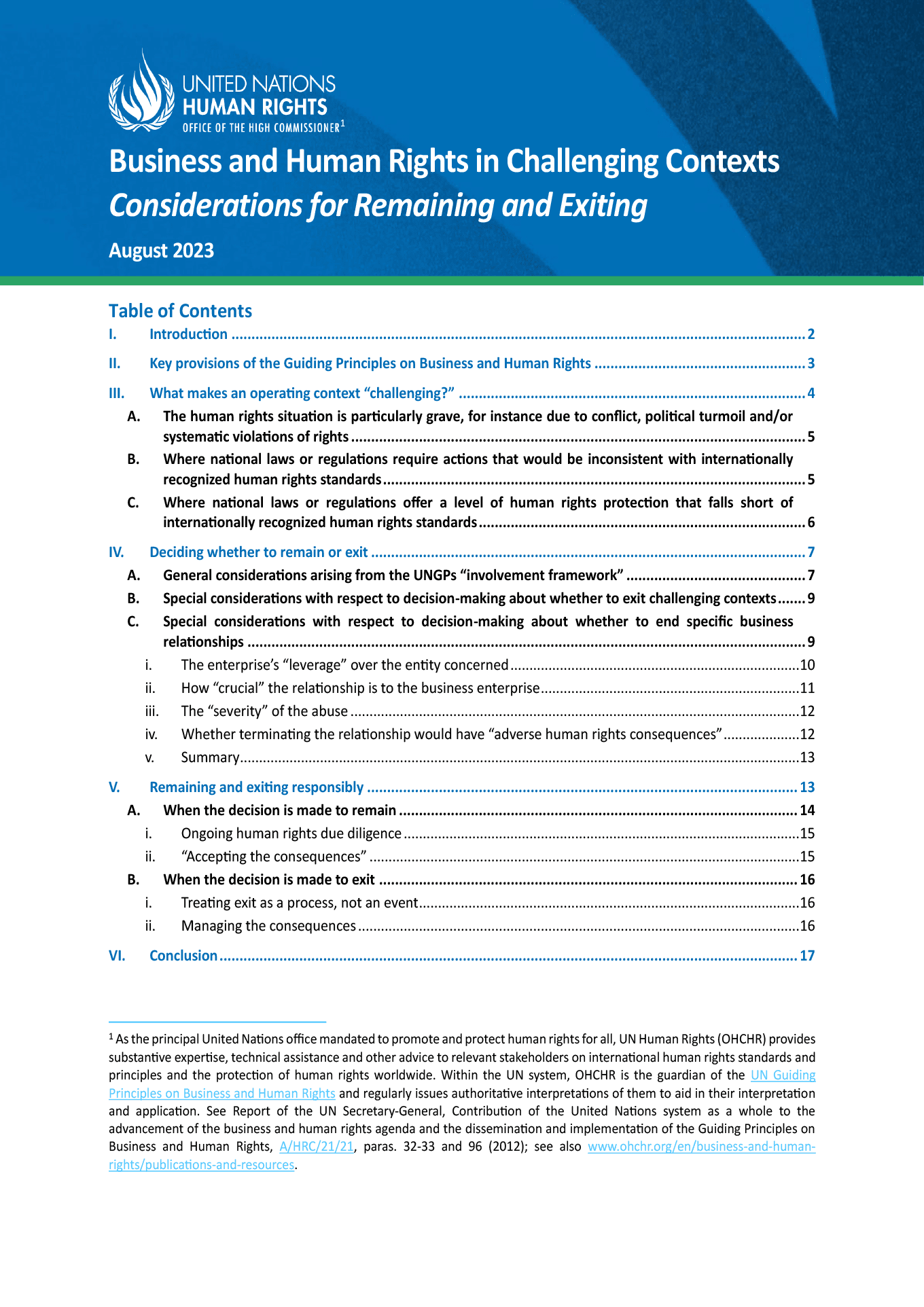
Business and Human Rights in Challenging Contexts Considerations for Remaining and Exiting (OHCHR, 2023)
How do the pieces fit in the puzzle? Making sense of EU regulatory initiatives related to business and human rights (The Danish Institute for Human Rights)
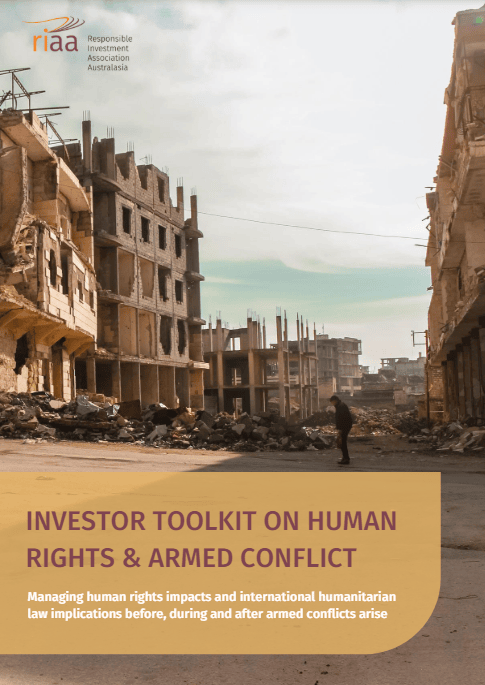
Investor Toolkit on Human Rights and Armed Conflict (Responsible Investment Association Australasia)
Provision of an indicative, non-exhaustive list of Conflict-Affected and High-Risk Areas (CAHRAs) under Regulation 2017/821

DCAF – Geneva Centre for Security Sector Governance
Business and Security Division
www.businessandsecurity.dcaf.ch
Chemin Eugène-Rigot 2E,
CH-1202 Geneva Switzerland
Tel: +41 (0) 22 730 94 18
Contact us
International Committee of the Red Cross (ICRC)
www.icrc.org
Avenue de la Paix 19, 1202 Geneva, Switzerland
Economic Adviser
Department of International Law and Policy
Tel: +41 (0) 22 734 6001
Contact us