SECURITY AND HUMAN RIGHTS KNOWLEDGE HUB
In complex environments, companies encounter a range of security and human rights challenges that demand context-specific solutions.
The DCAF-ICRC partnership, established in 2012, is dedicated to promoting responsible business conduct in complex and conflict-affected environments.
The Knowledge Hub is an interactive platform designed to compile practical guidance and tools for governments, civil society, and companies on business, security, and human rights.
Video: The DCAF-ICRC Partnership - Managing Security and Protecting Rights
Overview
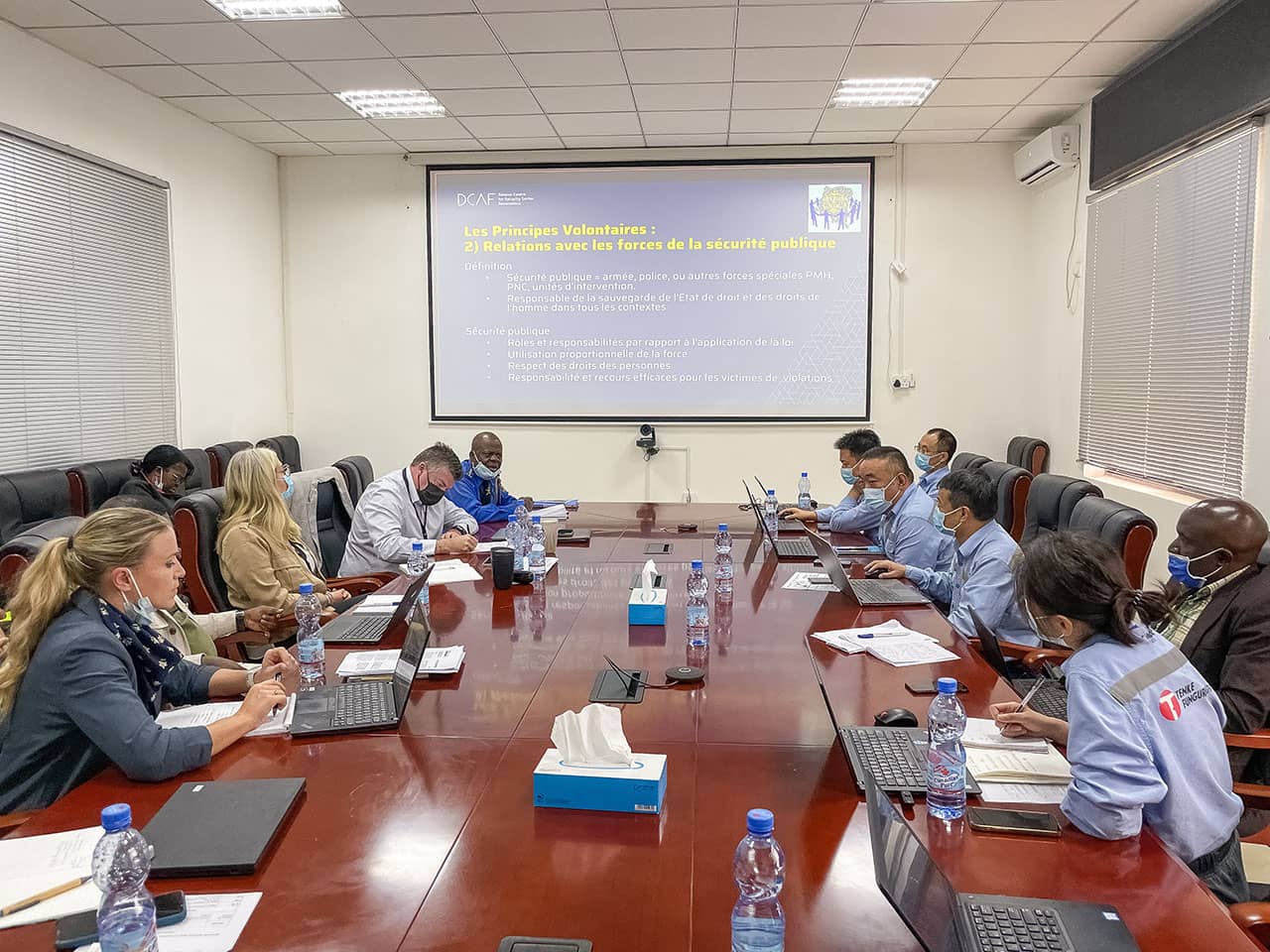
Responsible security management is challenging in complex environments where governance is weak. Ineffective security management can result in risks to company operations and personnel and can jeopardize the human rights of local communities. In conflict-affected areas, companies can never be considered as neutral, as their mere presence and actions will inevitably impact the dynamics of conflict or crisis.
Where can companies turn to for guidance and support?
The DCAF-ICRC Knowledge Hub is a digital space designed to foster dialogue, facilitate learning and promote good business practices for companies in responsible security management and compliance with human rights and international humanitarian law.
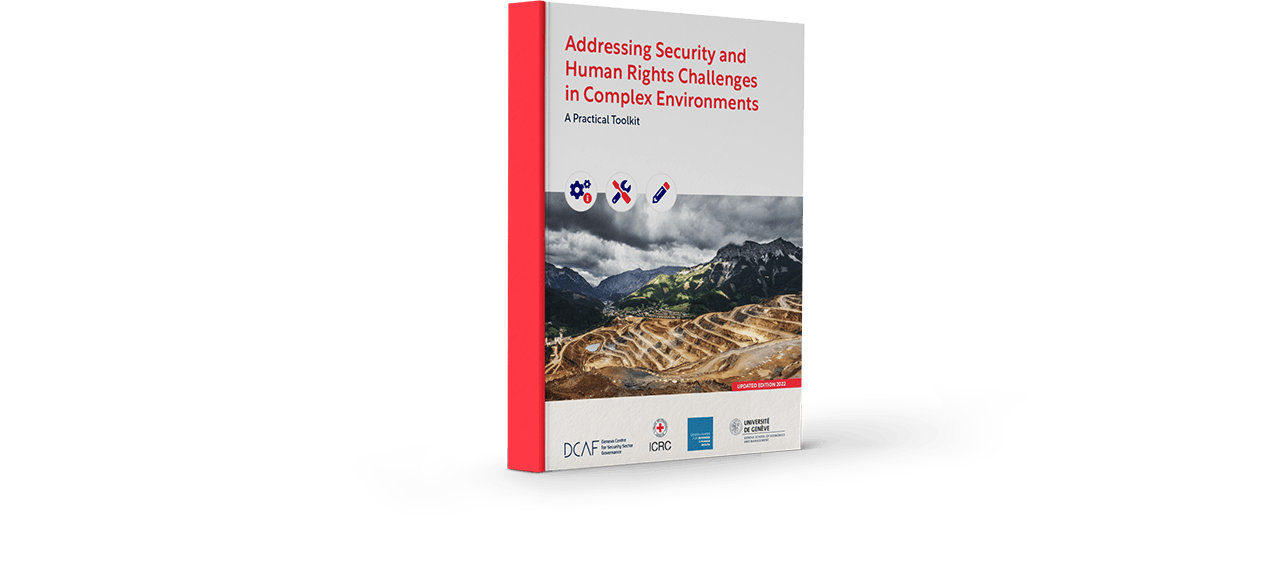
Drawing on extensive experience and expertise of the ICRC and DCAF, as well as a vast network of practitioners, risk managers, and policymakers, the Knowledge Hub and Toolkit - our flagship guidance - provide comprehensive and dynamic resources for companies seeking to build synergies and trust-based relationships with security providers (public or private), governments, and local communities.
Project Highlights
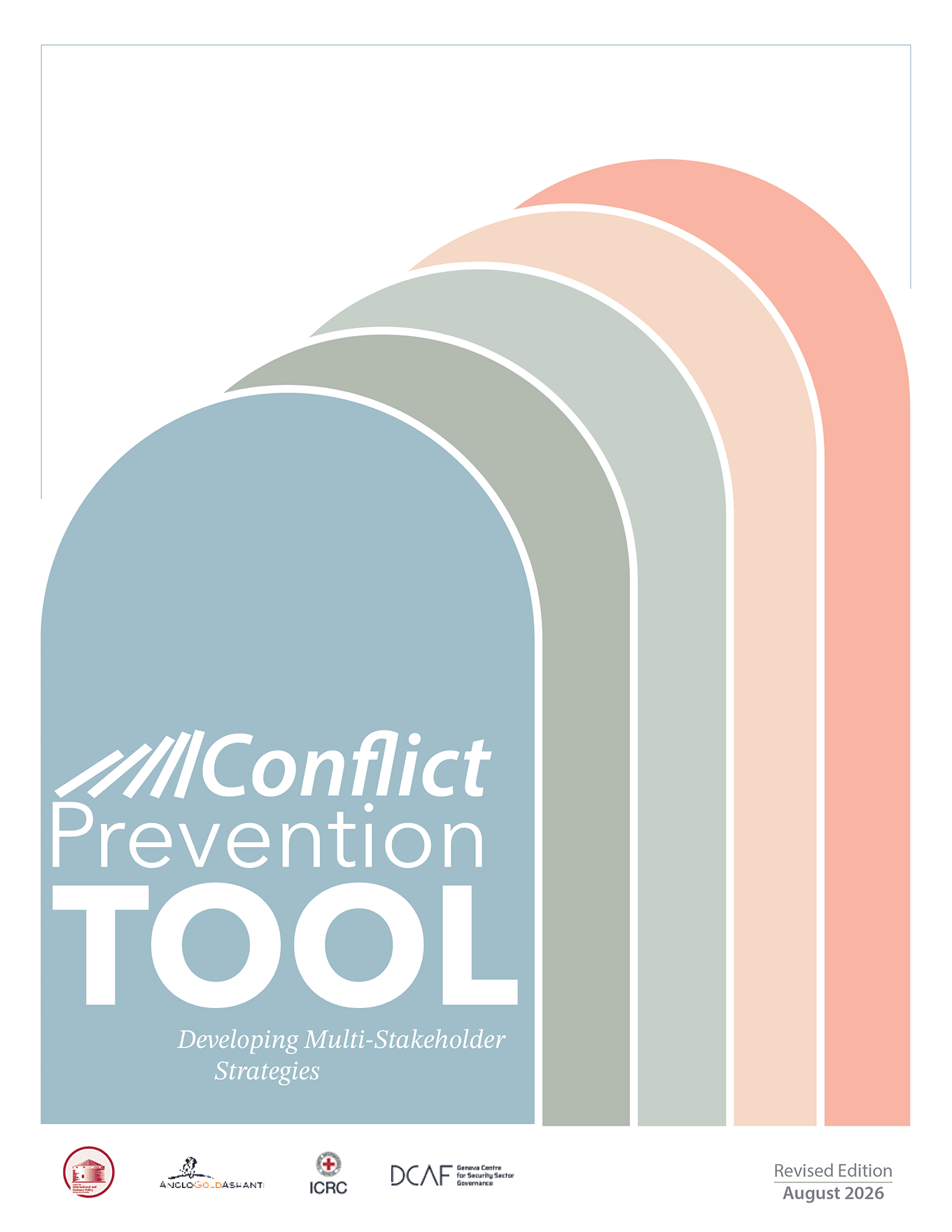
Conflict Prevention Tool
Description
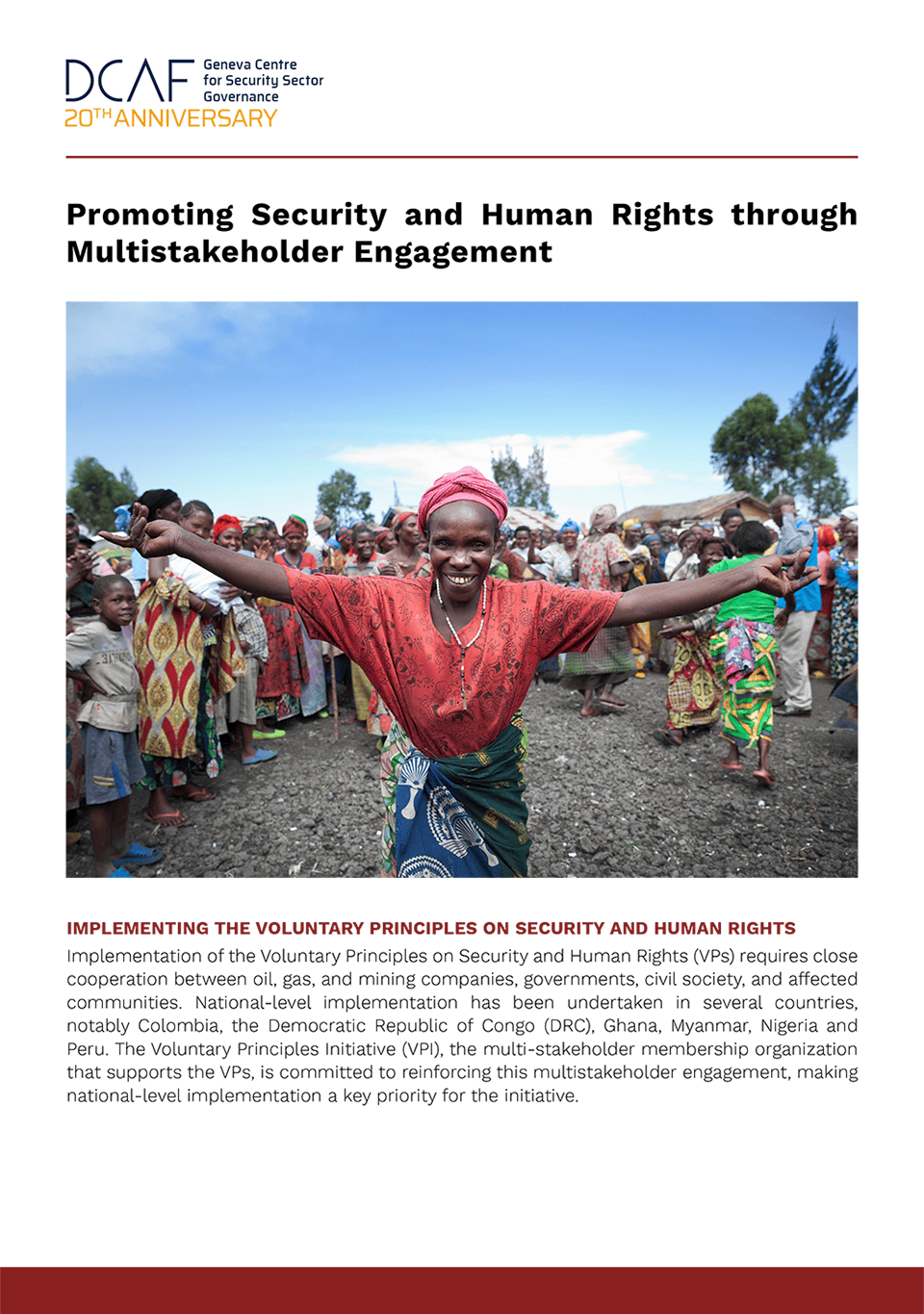
The Conflict Prevention Tool (CPT) was developed through a collaborative partnership of international experts, as an innovative framework for conflict management and resolution in relation to business operations. The overarching goal is to equip companies to proactively identify, analyze, and mitigate conflict-related risks. The CPT is therefore designed with a multi-layered approach in mind, focusing on identifying and analyzing risk indicators at three levels: country, corporate, and site.
The CPT supports the collection and synthesis of data gathered from a combination of desktop research and field-based consultations, leading to a practical measurement of conflict drivers to inform responsible stakeholder engagement for businesses operating in conflict-prone areas. A key feature of the CPT is in integrating a conflict prevention mindset across all company functions, fostering proactive risk identification and mitigation, with greater social awareness and responsibility. This is achieved by encouraging different teams within a company – such as enterprise risk, security, sustainability, human resources, procurement, and operations – to collaborate in conflict analysis, thereby ensuring a proactive risk management process, which can potentially reduce the direct and indirect costs of conflict on a company.
PDF(s)
Resource Type

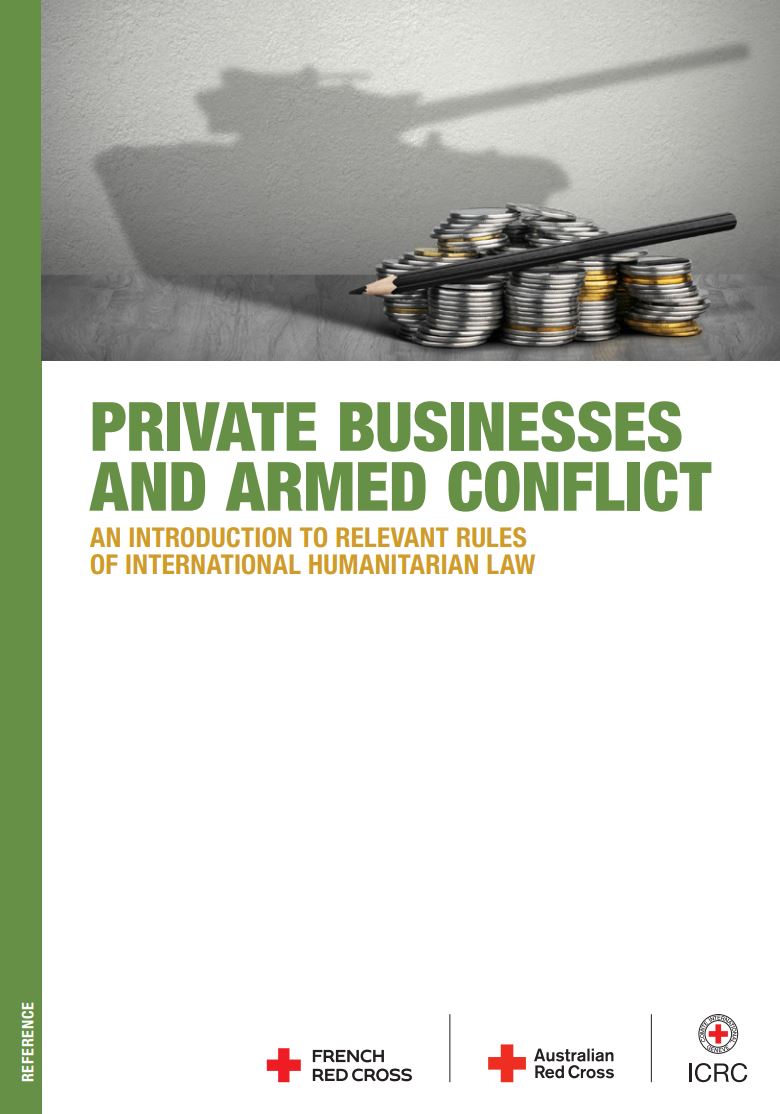
Private Businesses and Armed Conflict: An Introduction to Relevant Rules of International Humanitarian Law
This brochure explains why, when and how international humanitarian law (IHL) is relevant to private businesses.
Description
It is primarily intended for business people, particularly corporate legal counsel and others in corporate compliance or human rights due diligence roles.
However, it also aims to answer questions that humanitarian practitioners, legal experts, government officials and others frequently ask about business and IHL. The brochure provides a general introduction to IHL and highlights specific rules and protections that are particularly important for private business entities and their personnel.
PDF(s)
Resource Type
Responsible Business Conduct
Publication Details
- Author(s): ICRC
- Publication Date: November 2024
Latest News
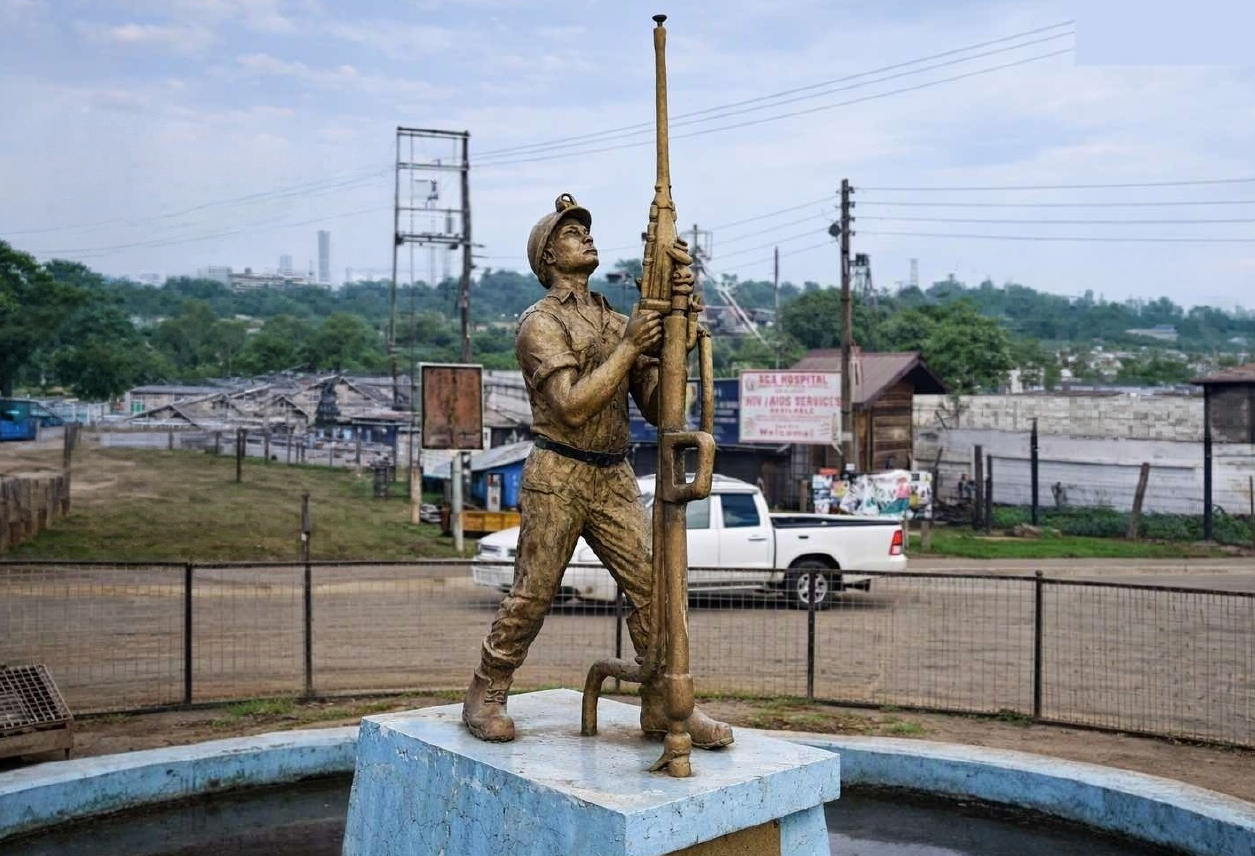
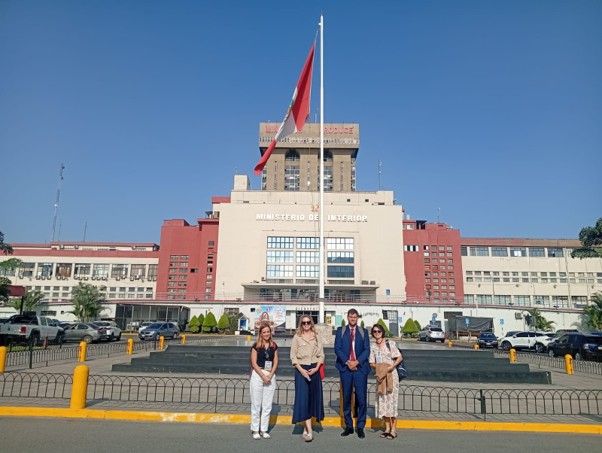
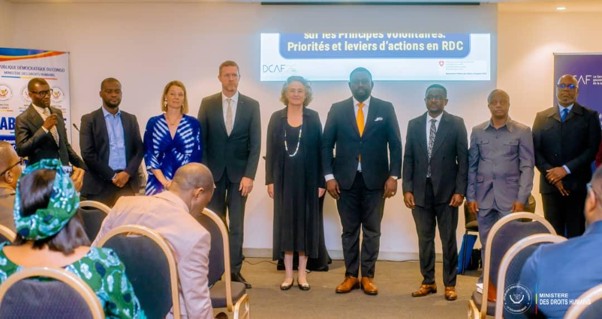
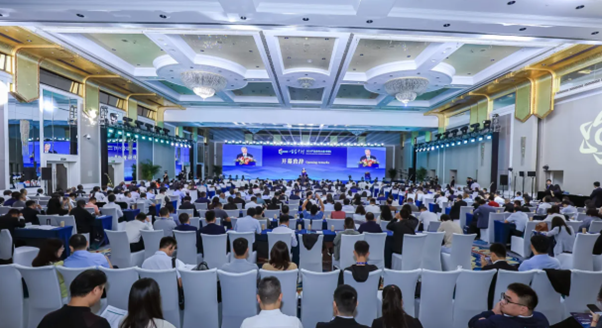
Latest News (ZH)




Relevant Guidance Documents
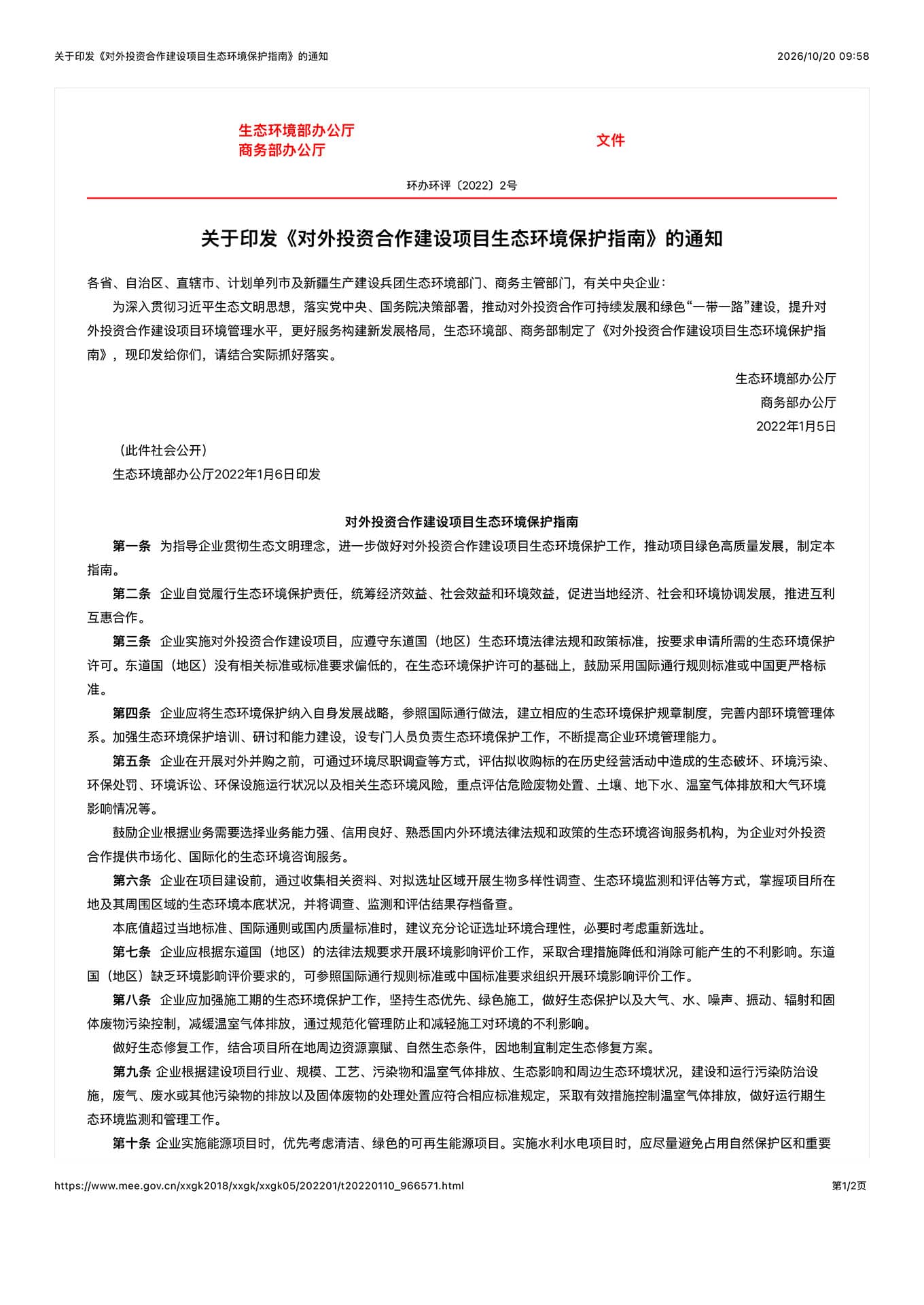
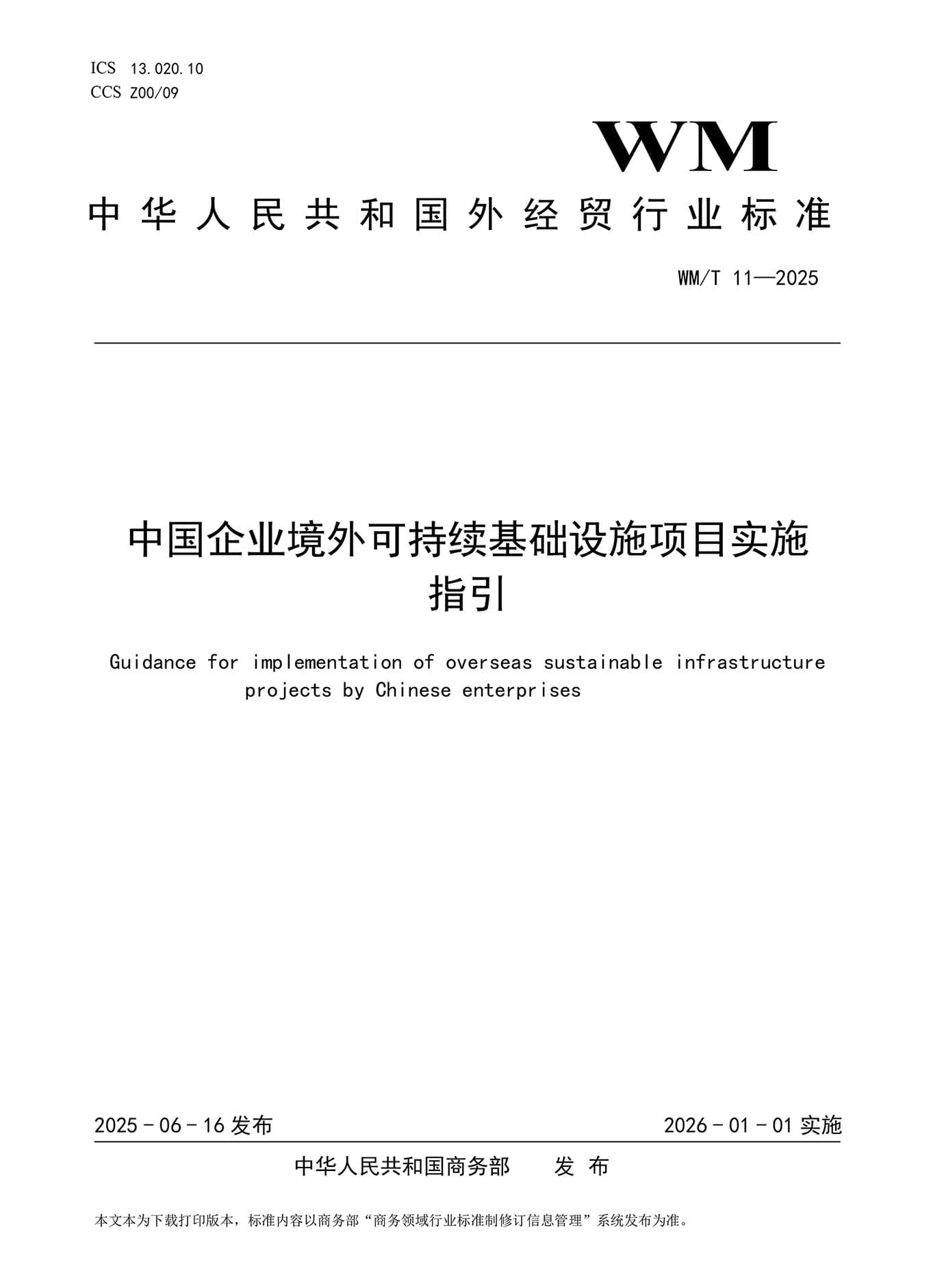
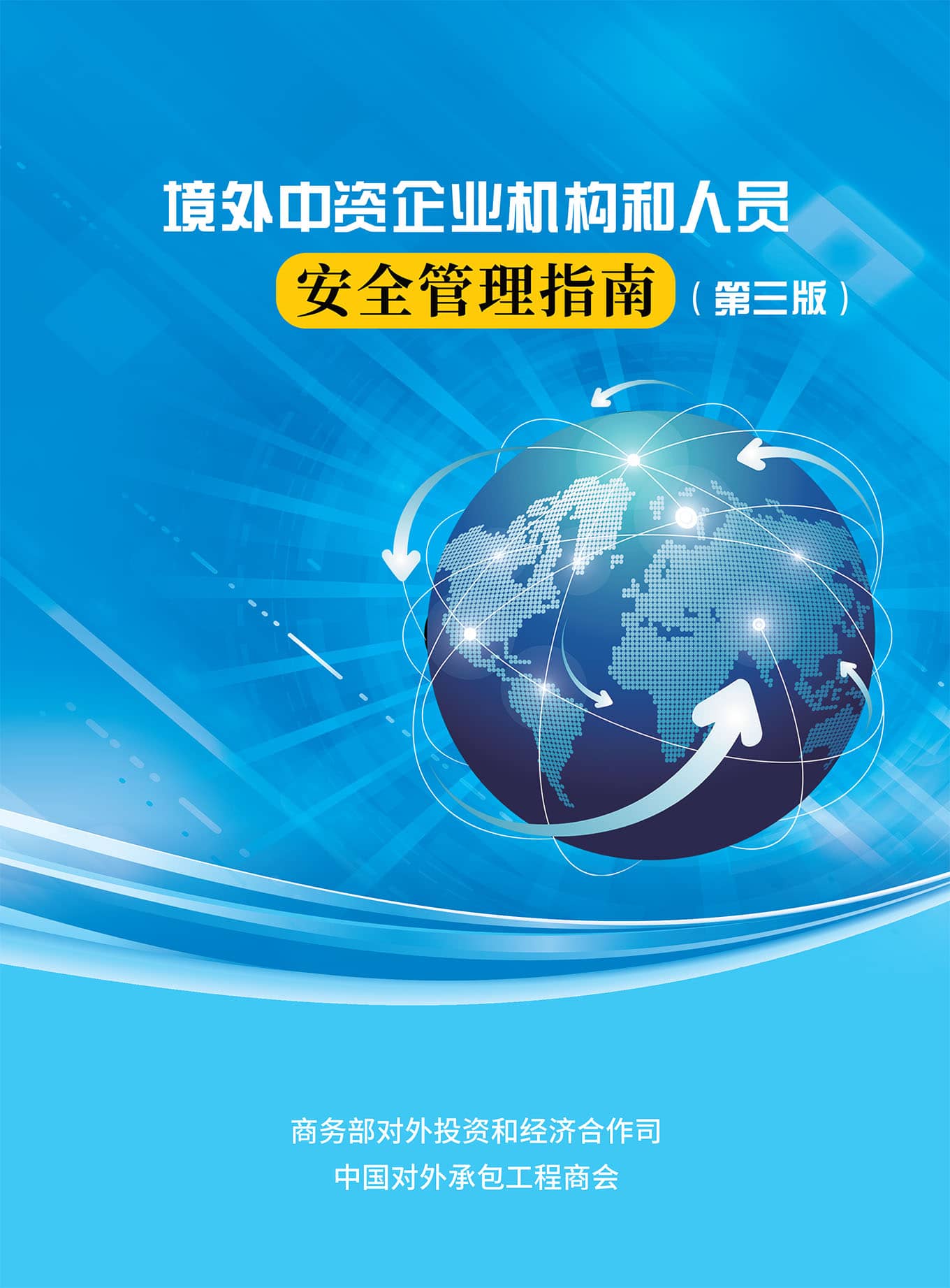
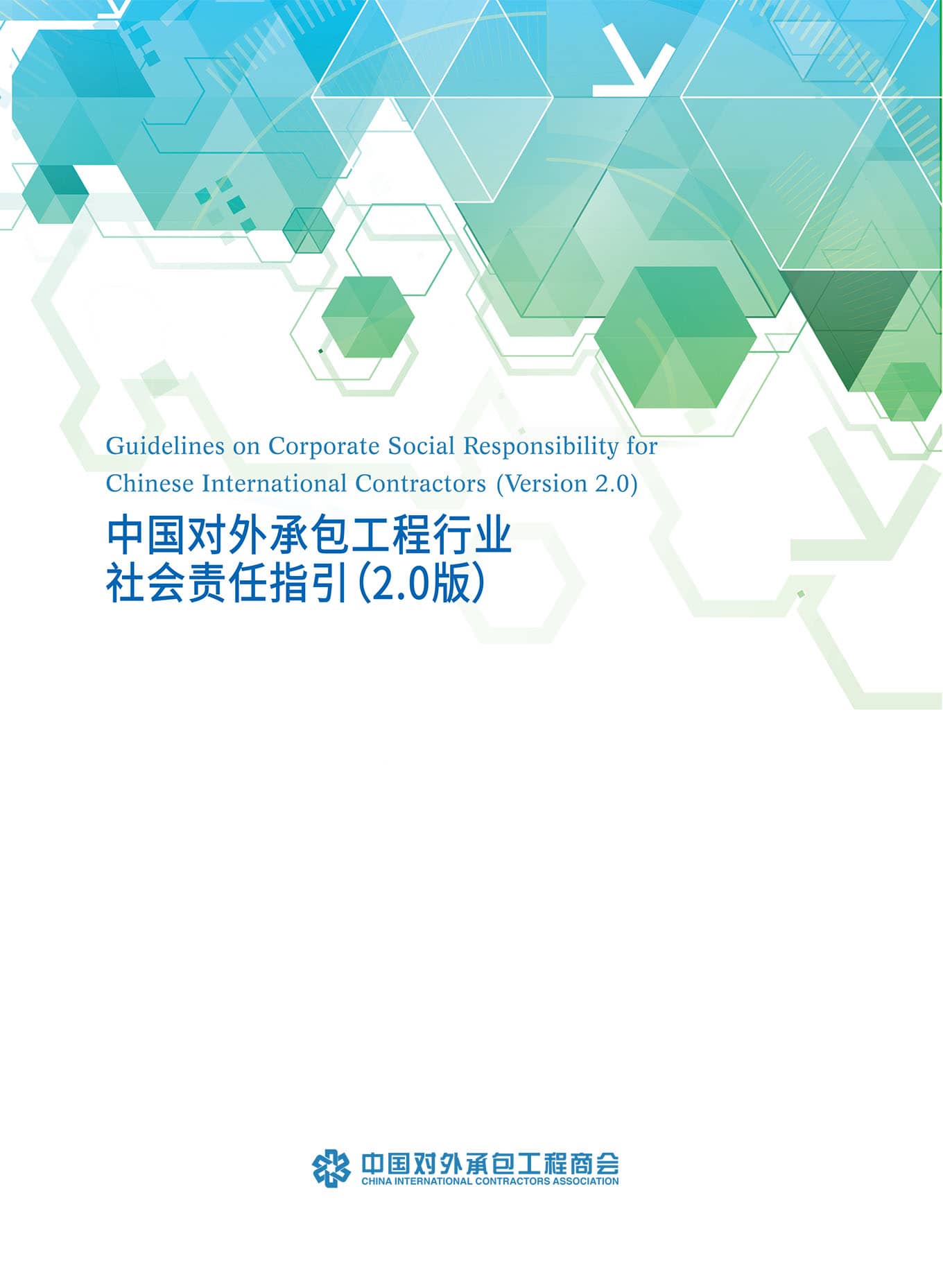
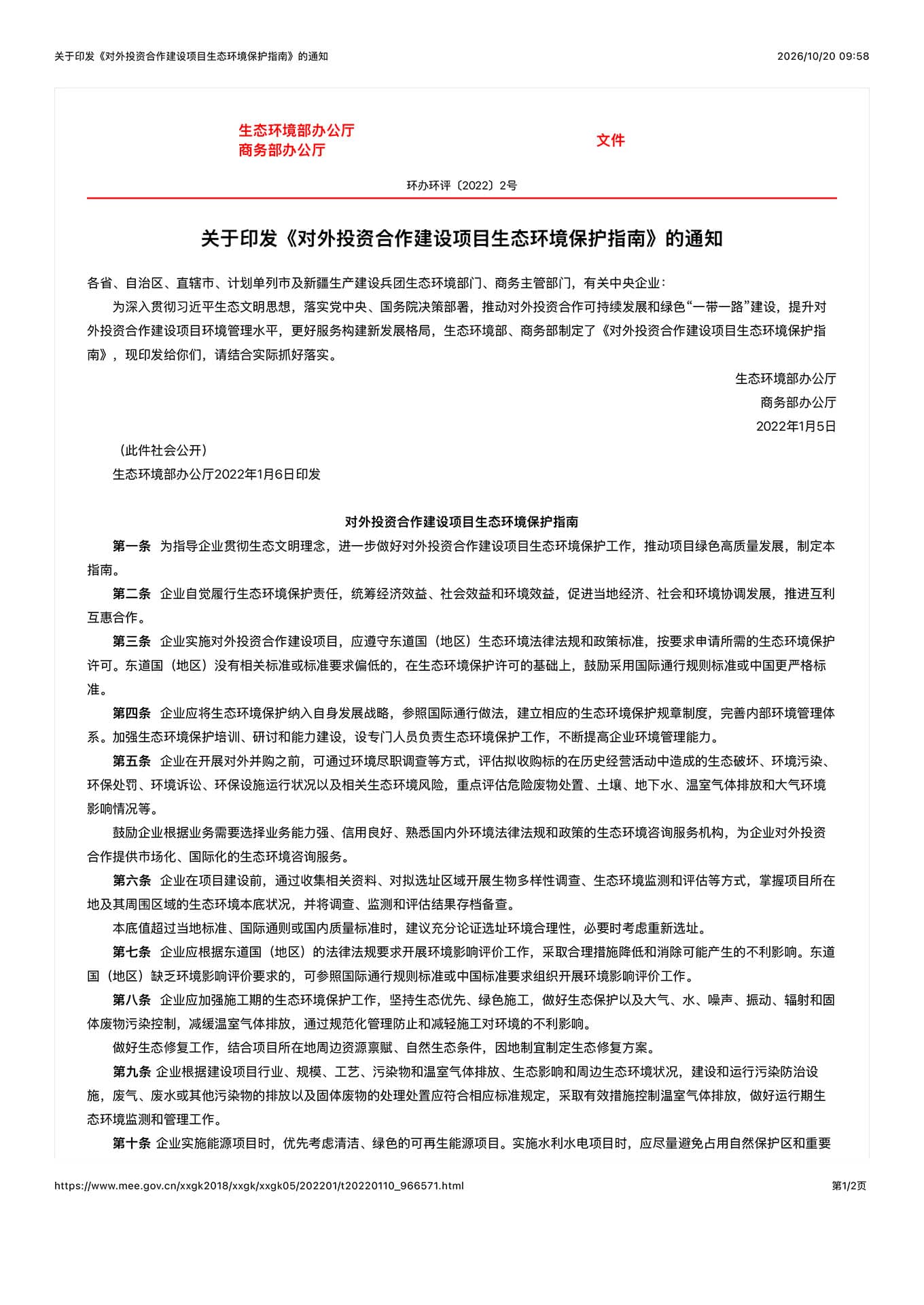
Selected Chinese-Language Resources
Resources
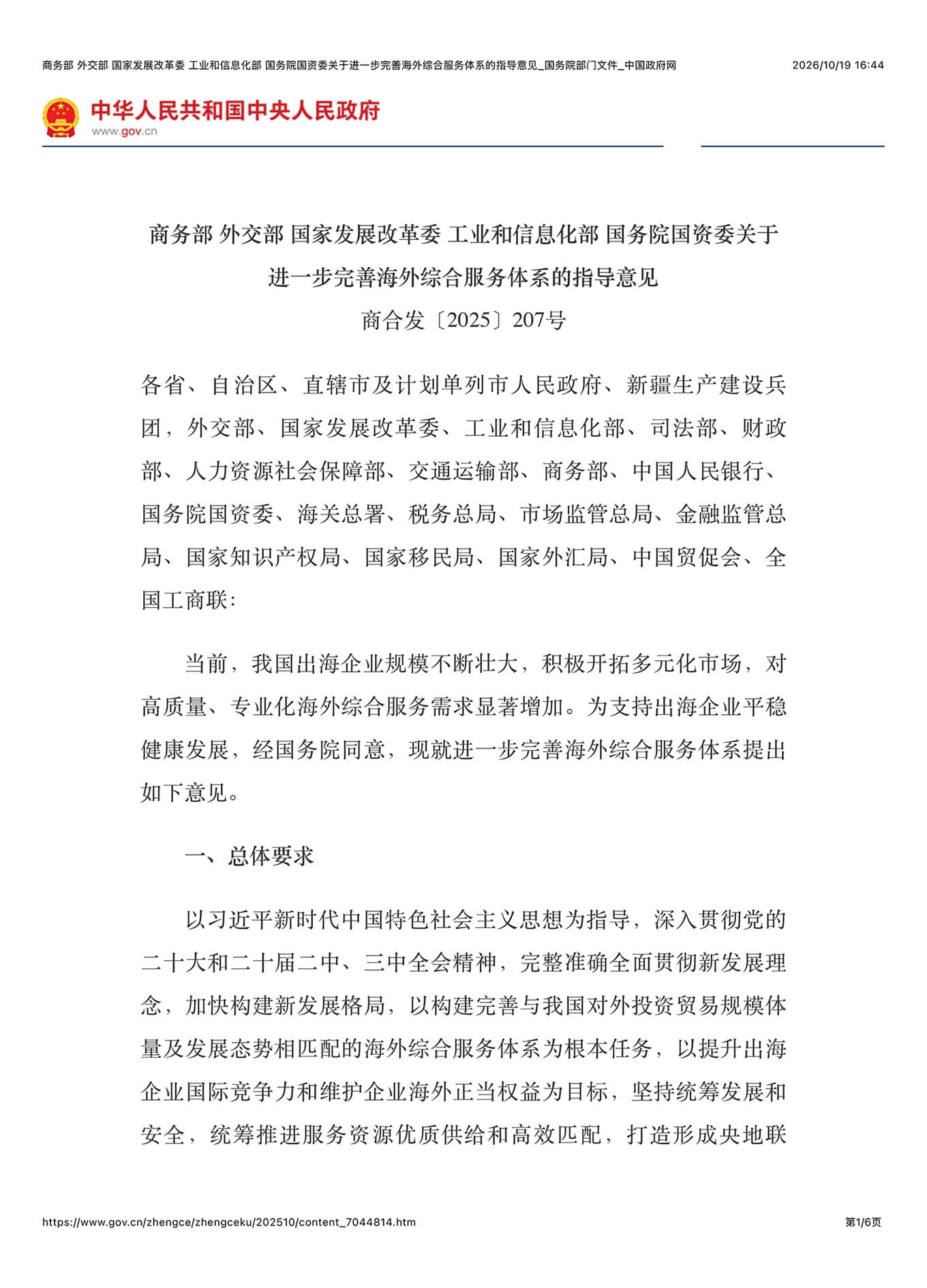
Measures for Administration of Foreign Investment
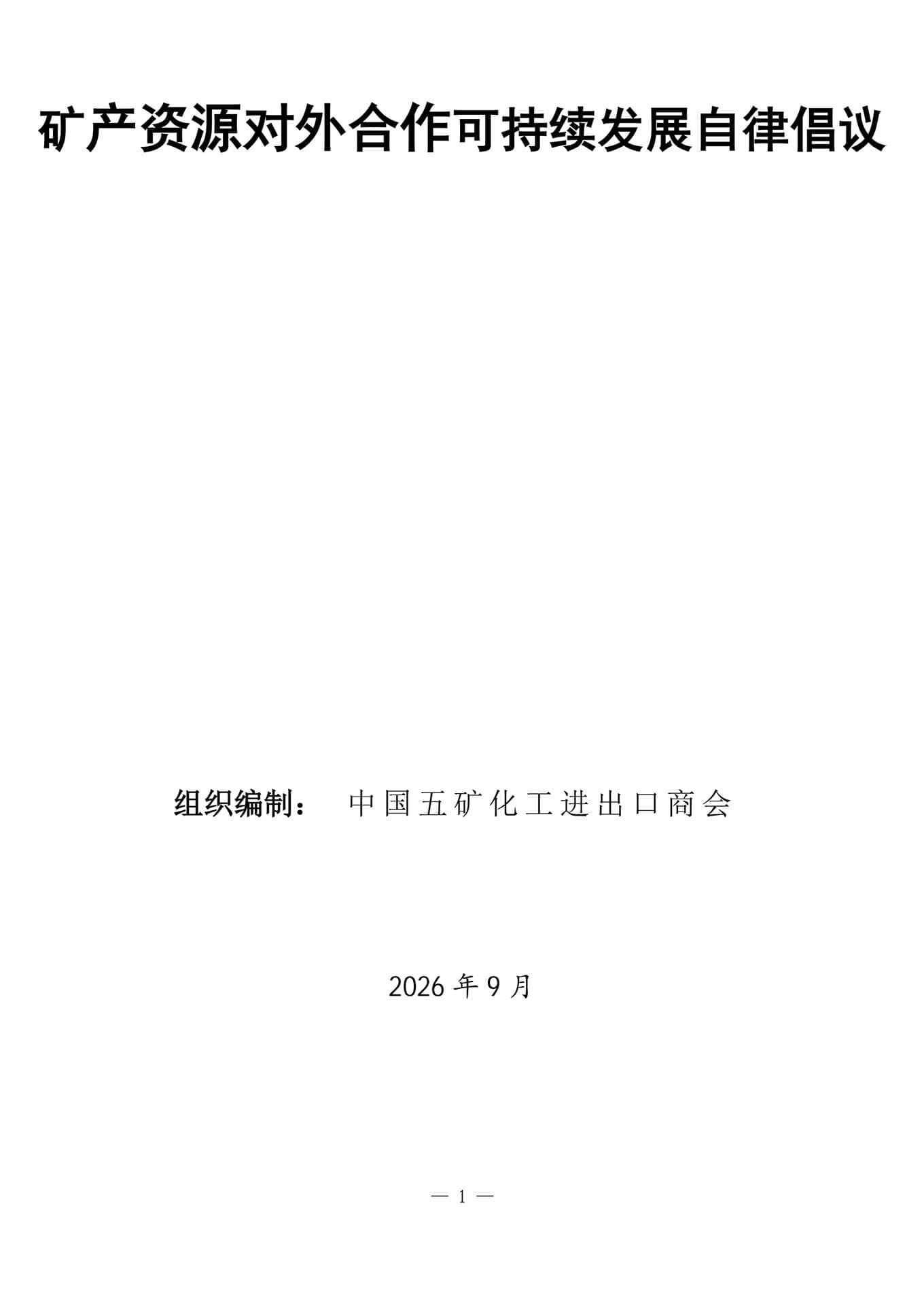
Self-Regulatory Initiative for Sustainable Development in International Cooperation on Mineral Resources
Code of Sustainable Mining
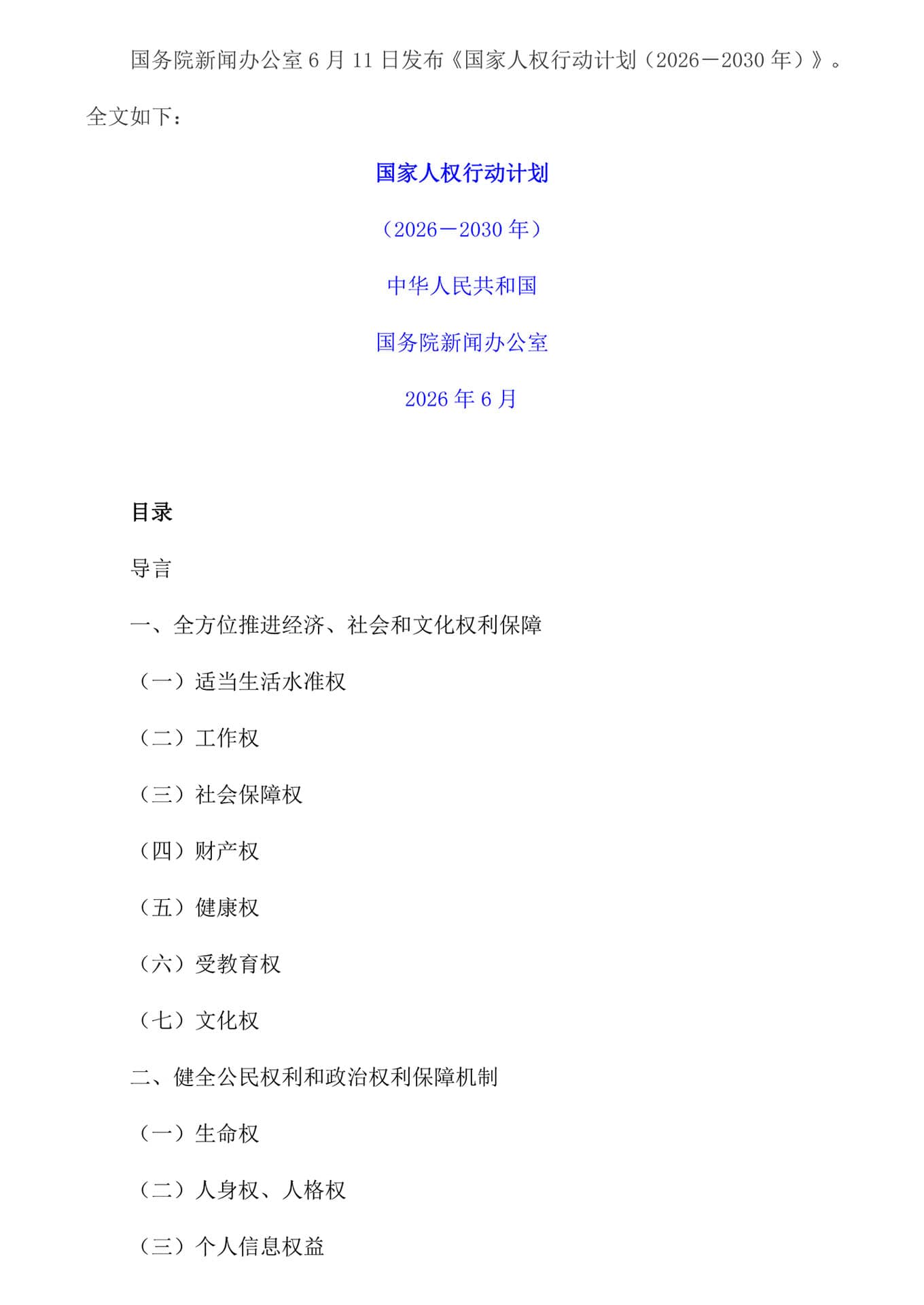
National Human Rights Action Plan 2026–2030
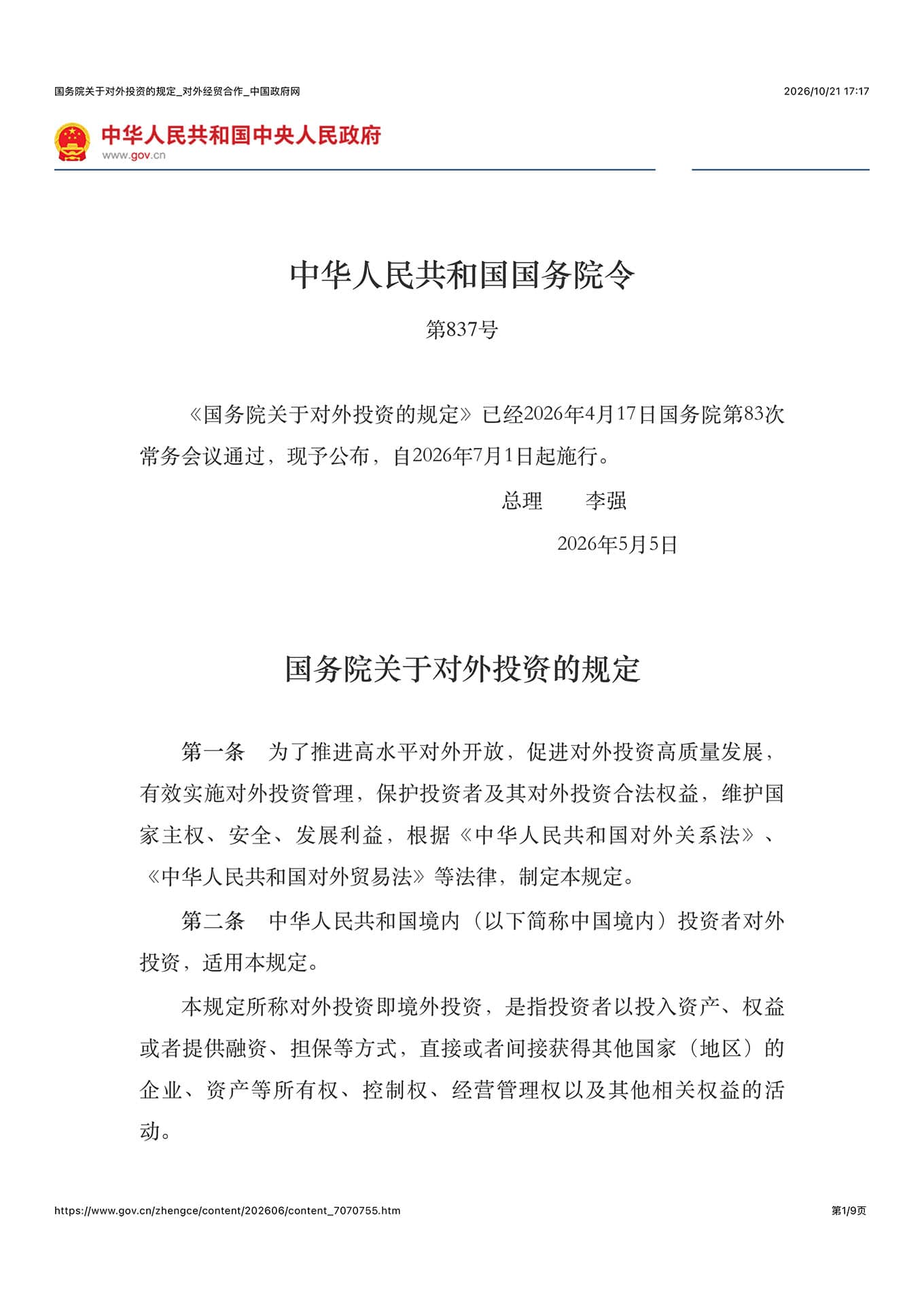
State Council Regulations on Foreign Investment
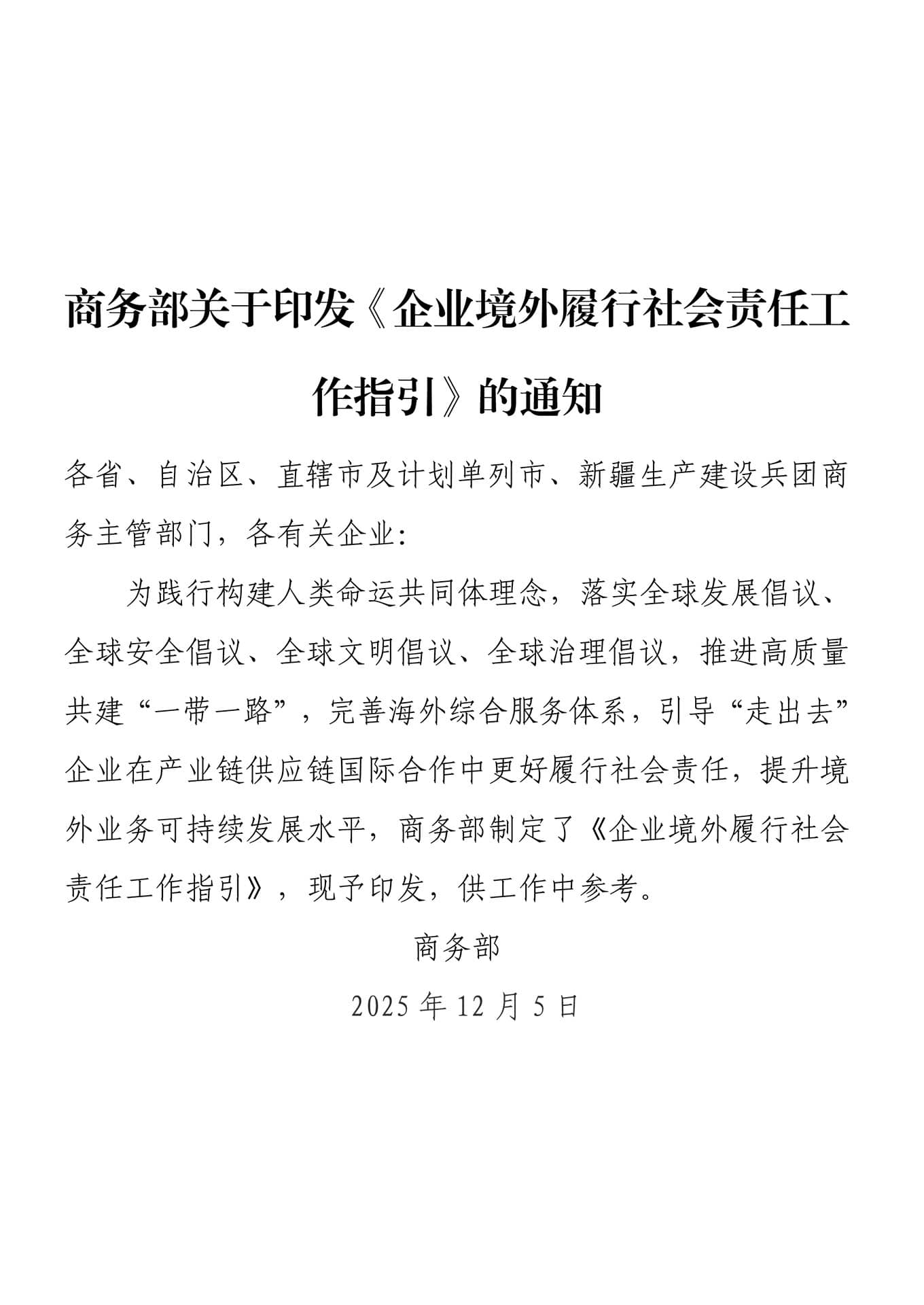
Guidelines for Enterprises on Fulfilling Social Responsibility Overseas
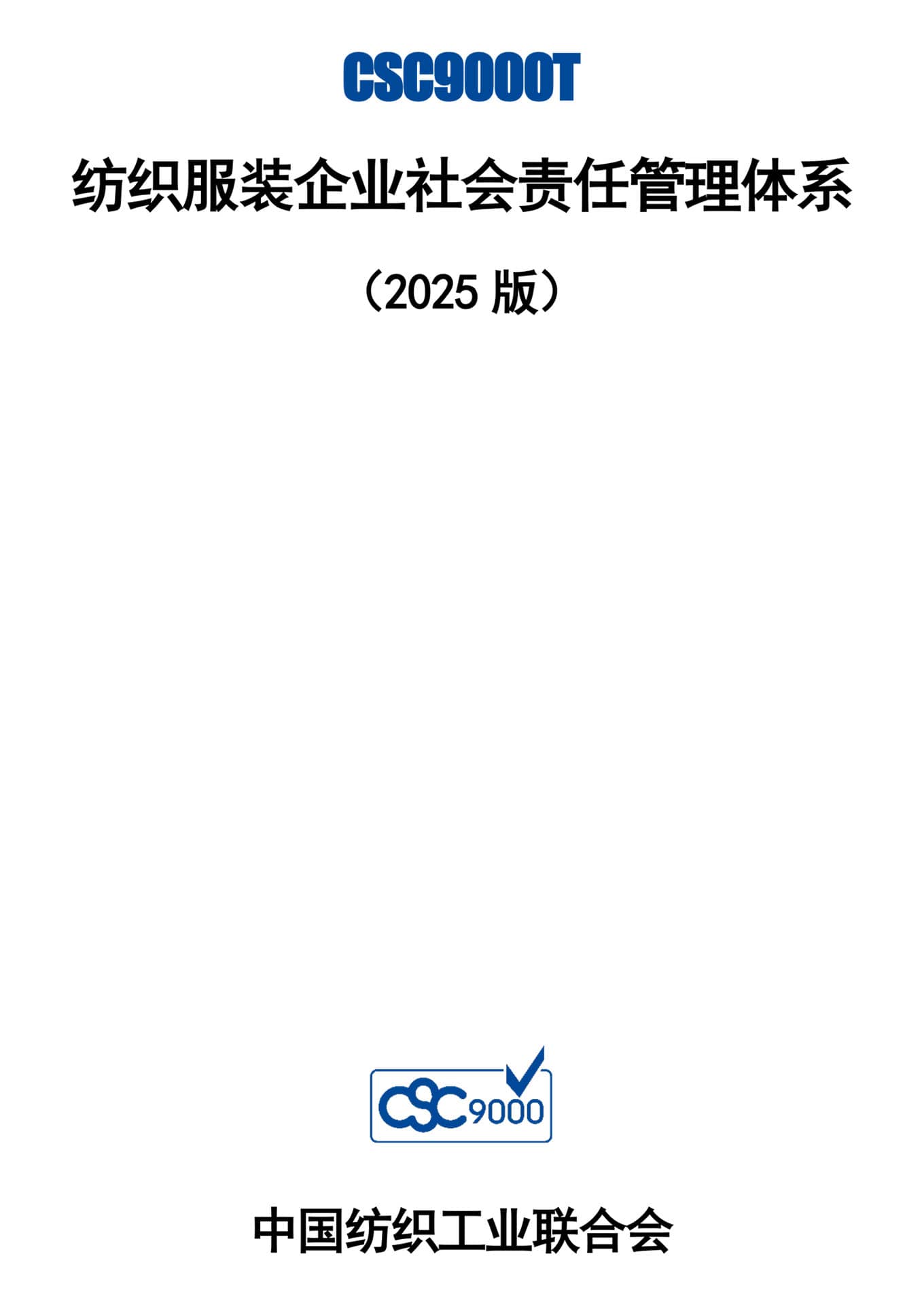

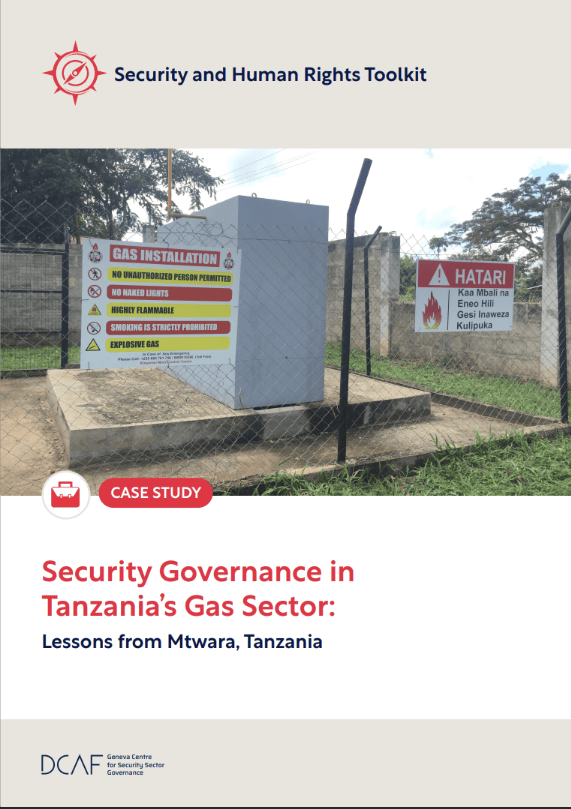
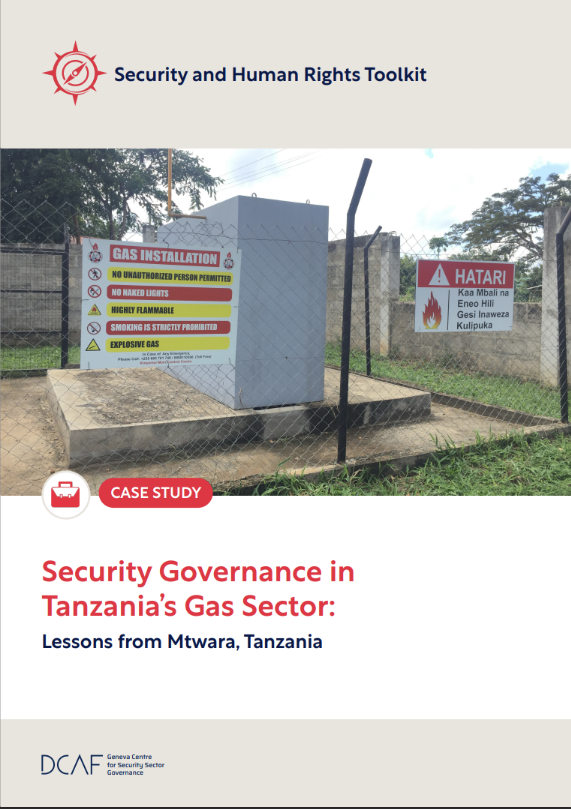
Case Study on Engaging Vulnerable Communities around Gas Developments – Lessons from Tanzania

Behind ESG Ratings: Unpacking sustainability metrics
Responsible business conduct for institutional investors
GICM 2030: A Typology of Conflict around Mineral Resources
Landscape Report: The Role of Investors in Realising an Environmentally and Socially Responsible Mining Industry
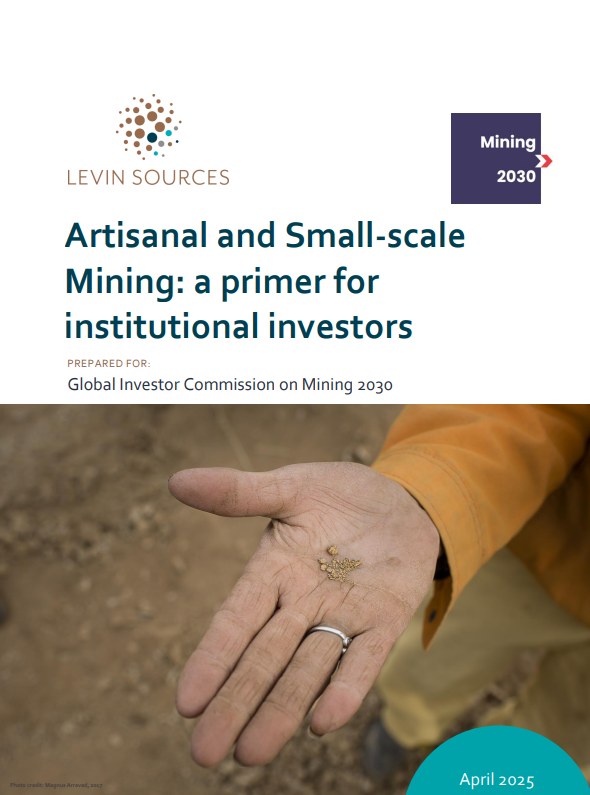
Artisanal and Small-scale Mining: a primer for institutional investors
DCAF – Geneva Centre for Security Sector Governance
Business and Security Division
www.businessandsecurity.dcaf.ch
Chemin Eugène-Rigot 2E,
CH-1202 Geneva Switzerland
Tel: +41 (0) 22 730 94 18
Contact us
International Committee of the Red Cross (ICRC)
www.icrc.org
Avenue de la Paix 19, 1202 Geneva, Switzerland
Economic Adviser
Department of International Law and Policy
Tel: +41 (0) 22 734 6001
Contact us