
Gender
60 articles:
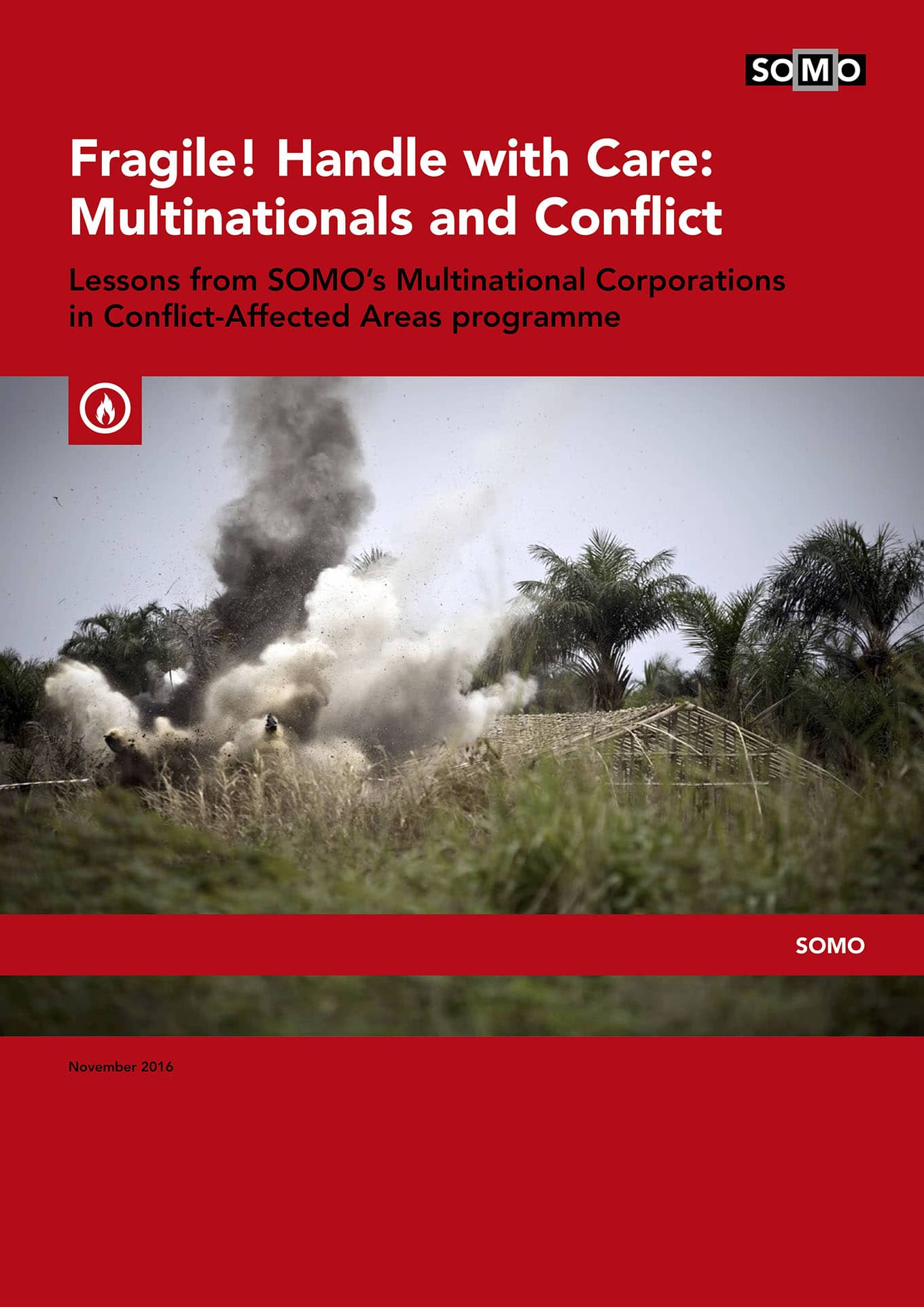
Fragile! Handle with Care: Multinationals and Conflict
Child Rights and Security Handbook: An implementation companion to the Child Rights and Security Checklist (UNICEF, 2018)
Child Rights and Security Checklist (UNICEF, 2017)
A Business Reference Guide: United Nations Declaration on the Rights of Indigenous Peoples (UN Global Compact, 2013)
Good Practice Guide - Indigenous Peoples and Mining (ICMM, 2010)
Good Practice Note: Addressing Grievances from Project-Affected Communities (IFC, 2009)
Integrating Human Rights into Environmental, Social and Health Impact Assessments (IPIECA, 2013)
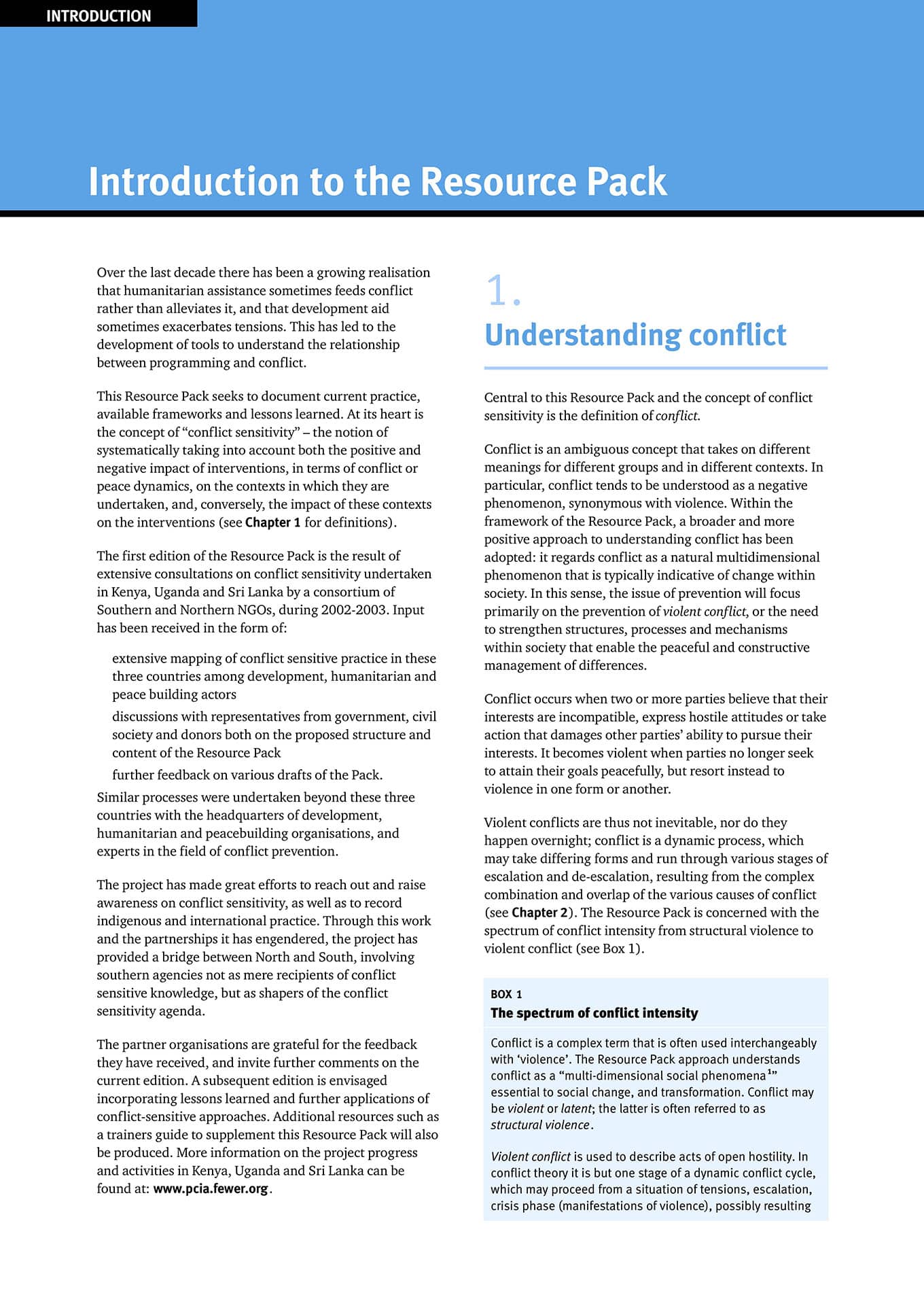
Conflict-Sensitive Approaches to Development, Humanitarian Assistance and Peacebuilding: Resource Pack (APFO, CECORE, CHA, FEWER, International Alert, Saferworld, 2004)
Use of Security Forces: Assessing and Managing Risks and Impacts Guidance for the Private Sector in Emerging Markets (IFC, 2017)
Private Security Governance National Action Plans (NAPS) on Business and Human Rights (DIHR, Danish Institute for Human Rights & DCAF, Geneva Centre for Security Sector Governance, 2019)
International Code of Conduct for Private Security Service Providers (ICoC, 2021)
Academy Briefing No. 4 - The International Code of Conduct for Private Security Service Providers (ICoC)
On pertinent international legal obligations and good practices for States related to operations of private military and security companies during armed conflict
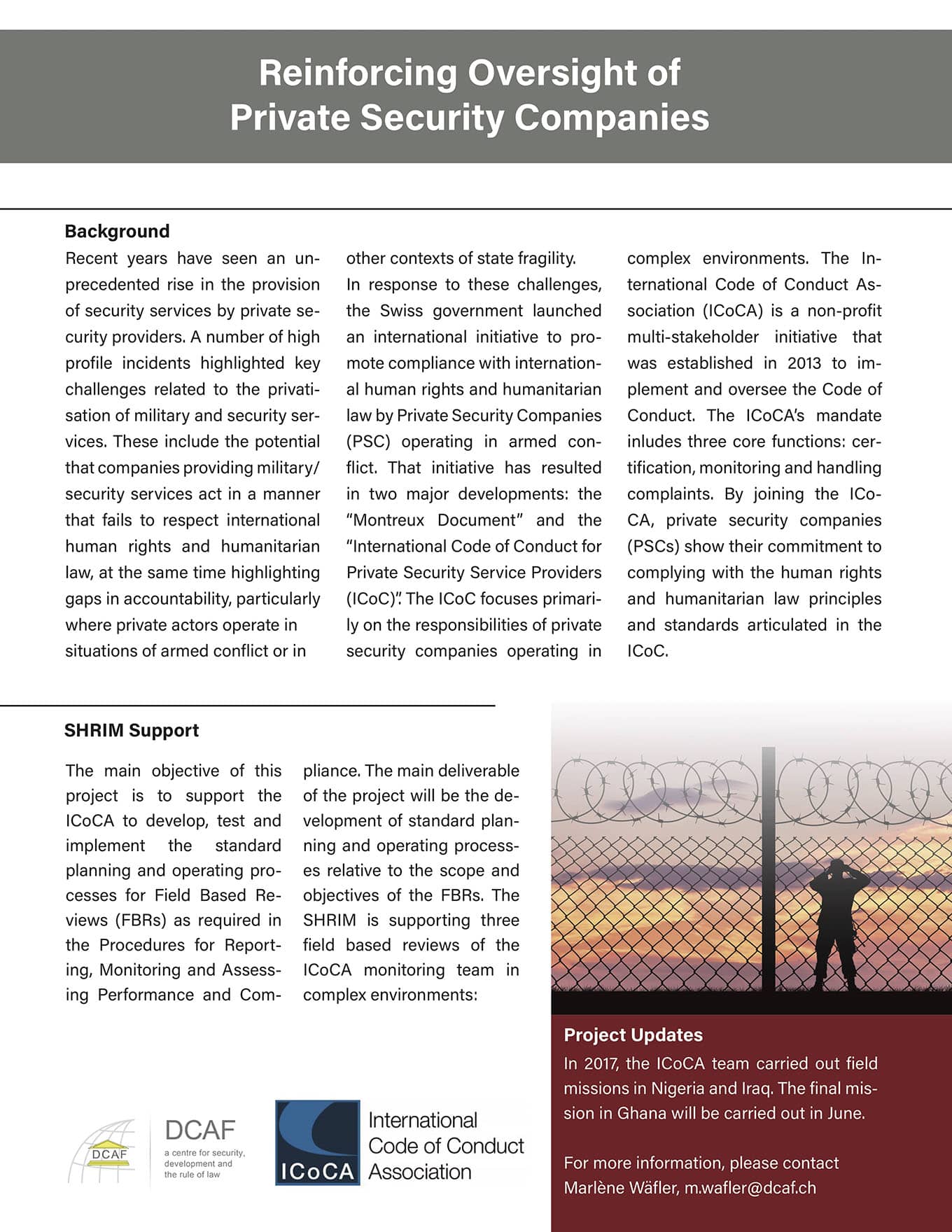
Reinforcing oversight of private security companies (DCAF and ICoCA)
Report of the National Baseline Assessment: Promoting Voluntary Principles on Security and Human Rights in Nigeria (LITE-Africa, Nigerian Working Group and SHRIM)
Human Rights and Business Learning Tool (Office of the UN High Commissioner for Human Rights and Global Compact, OHCHR and UNGC, 2013)
Geneva Centre for Security Sector Governance (DCAF)
Indigenous Peoples and the Oil and Gas Industry: Context, Issues and Emerging Good Practice (DCAF and ICRC)
Human Rights and Business Country Guide (DCAF and ICRC)
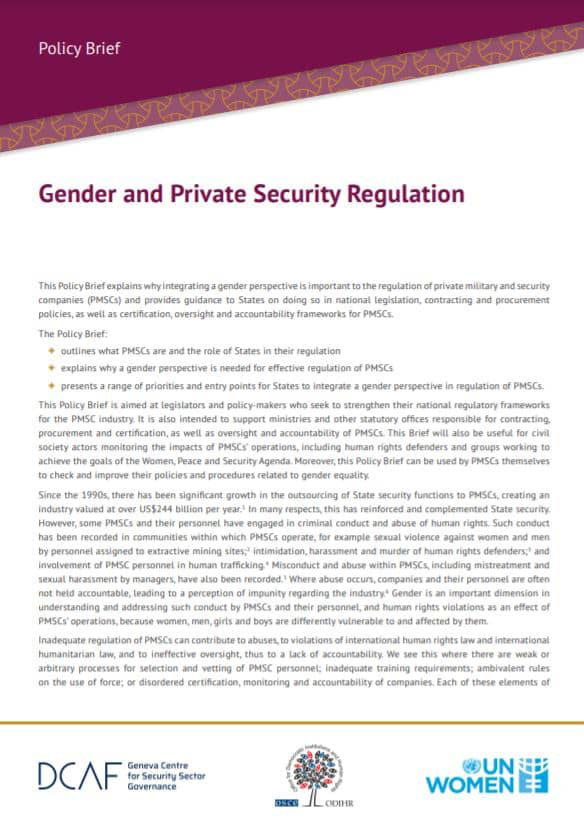
Policy Brief Guidance: Gender and Private Security Regulation (DCAF, OSCE/ODIHR and UN Women)
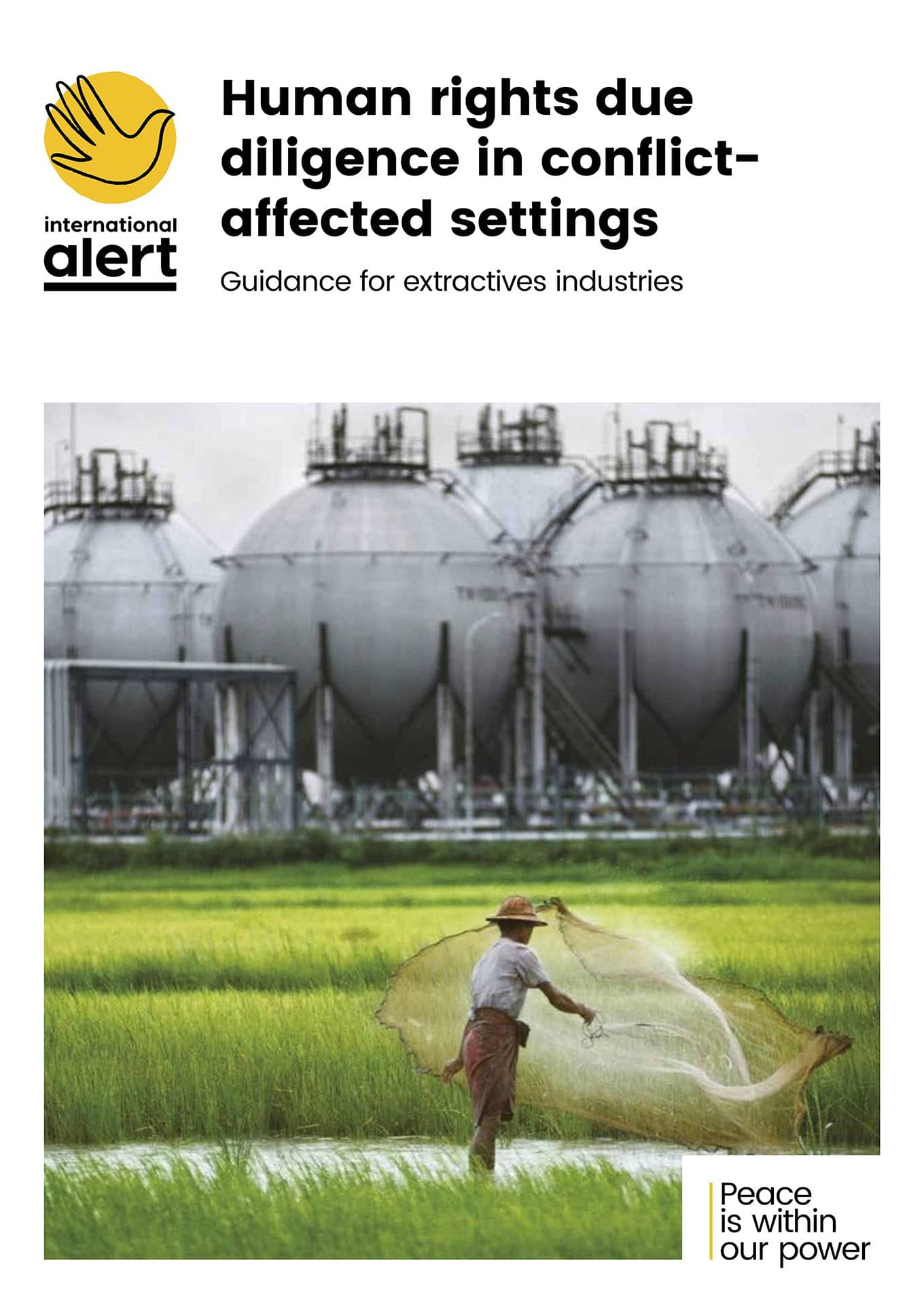
Human rights due diligence in conflict-affected settings: Guidance for extractives industries (International Alert, 2018)
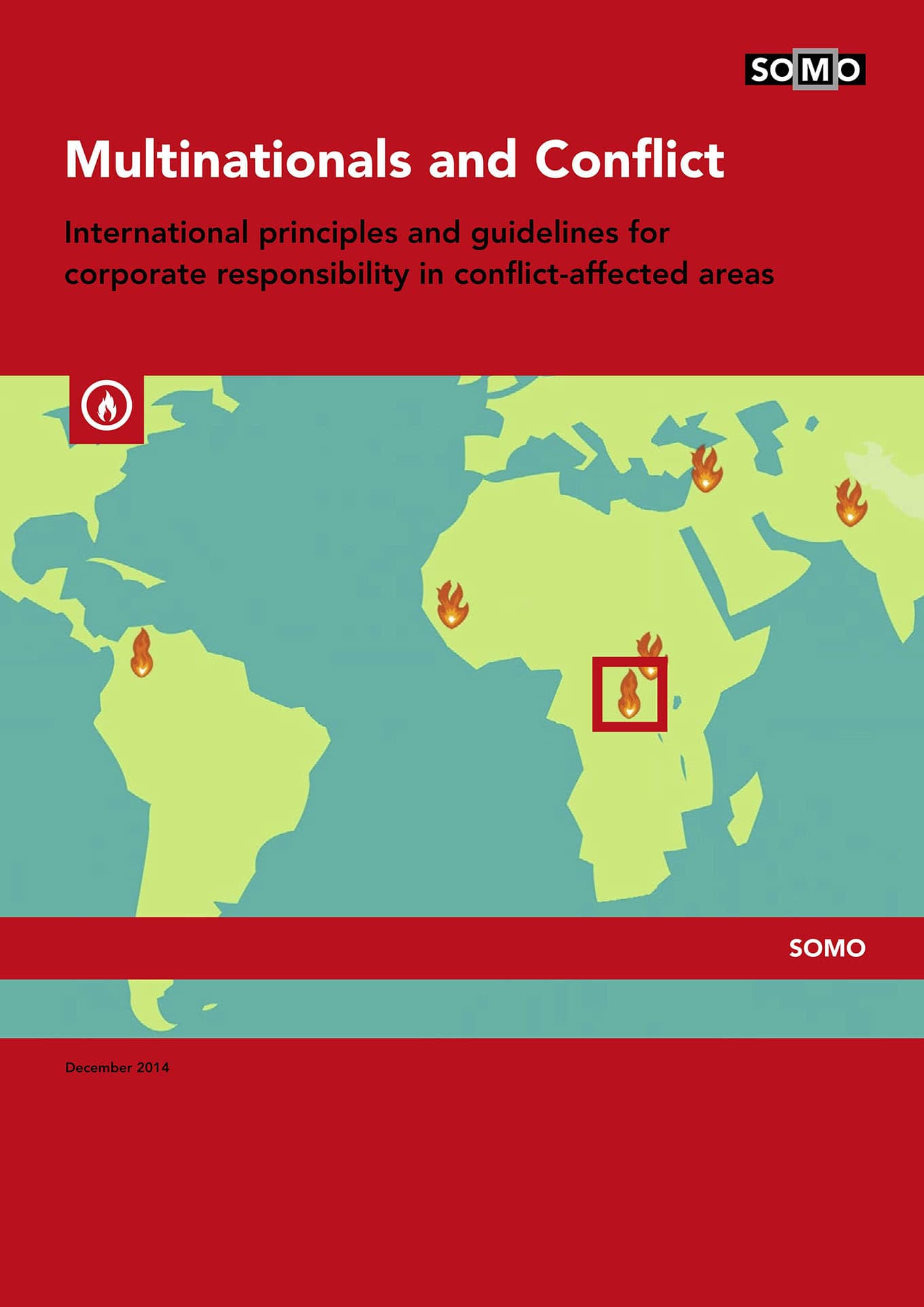
Multinationals and Conflict – International Principles and Guidelines for Corporate Responsibility in Conflict-affected Areas (SOMO, 2014)
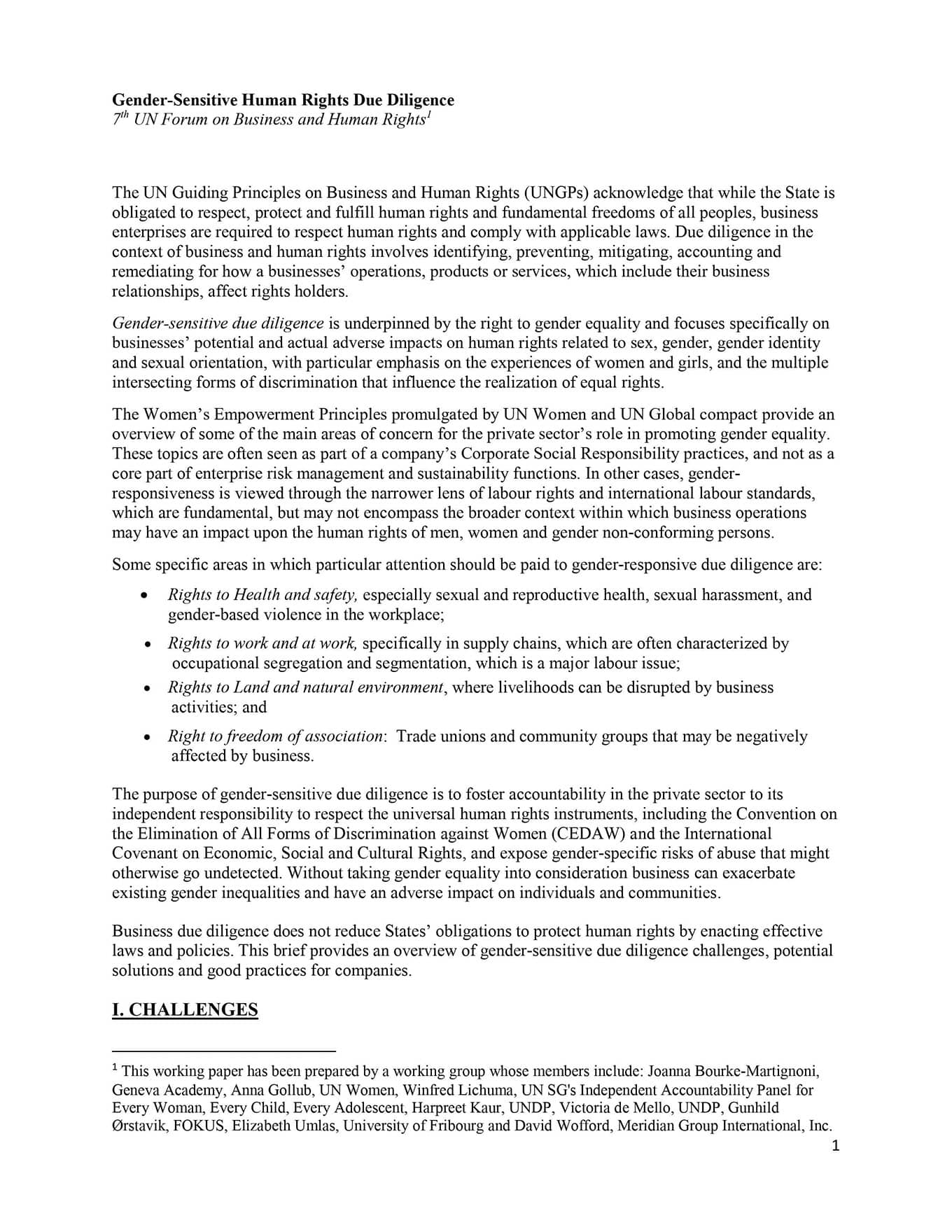
Gender Roundtable on 2018 UN Forum: Gender-Sensitive Human Rights Due Diligence (2018)

Gender Roundtable on 2019 UN Forum: "Gender Guidance for the UNGPS: From Paper to Practice"
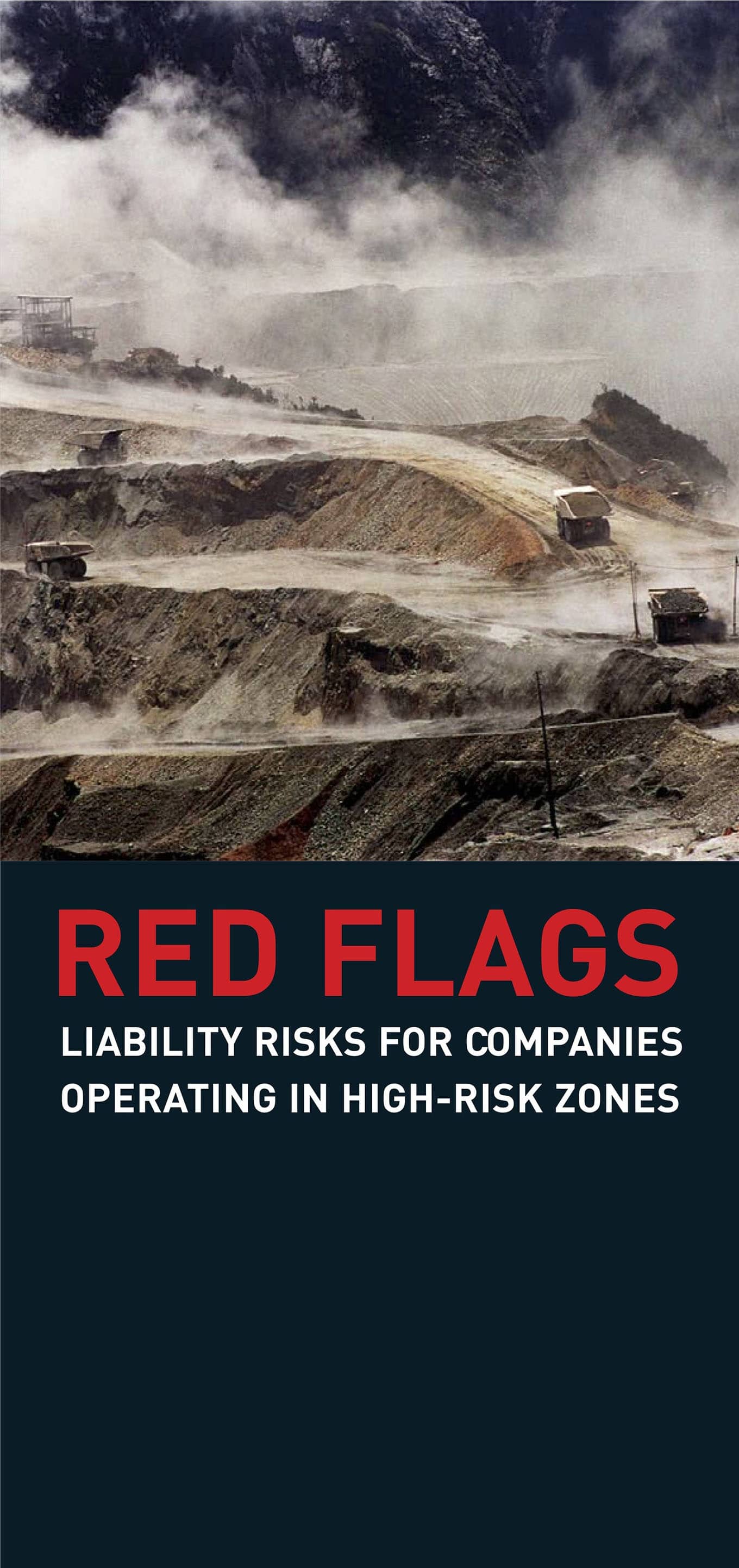
Red Flags - Liability Risks for Companies Operating in High-risk Zones
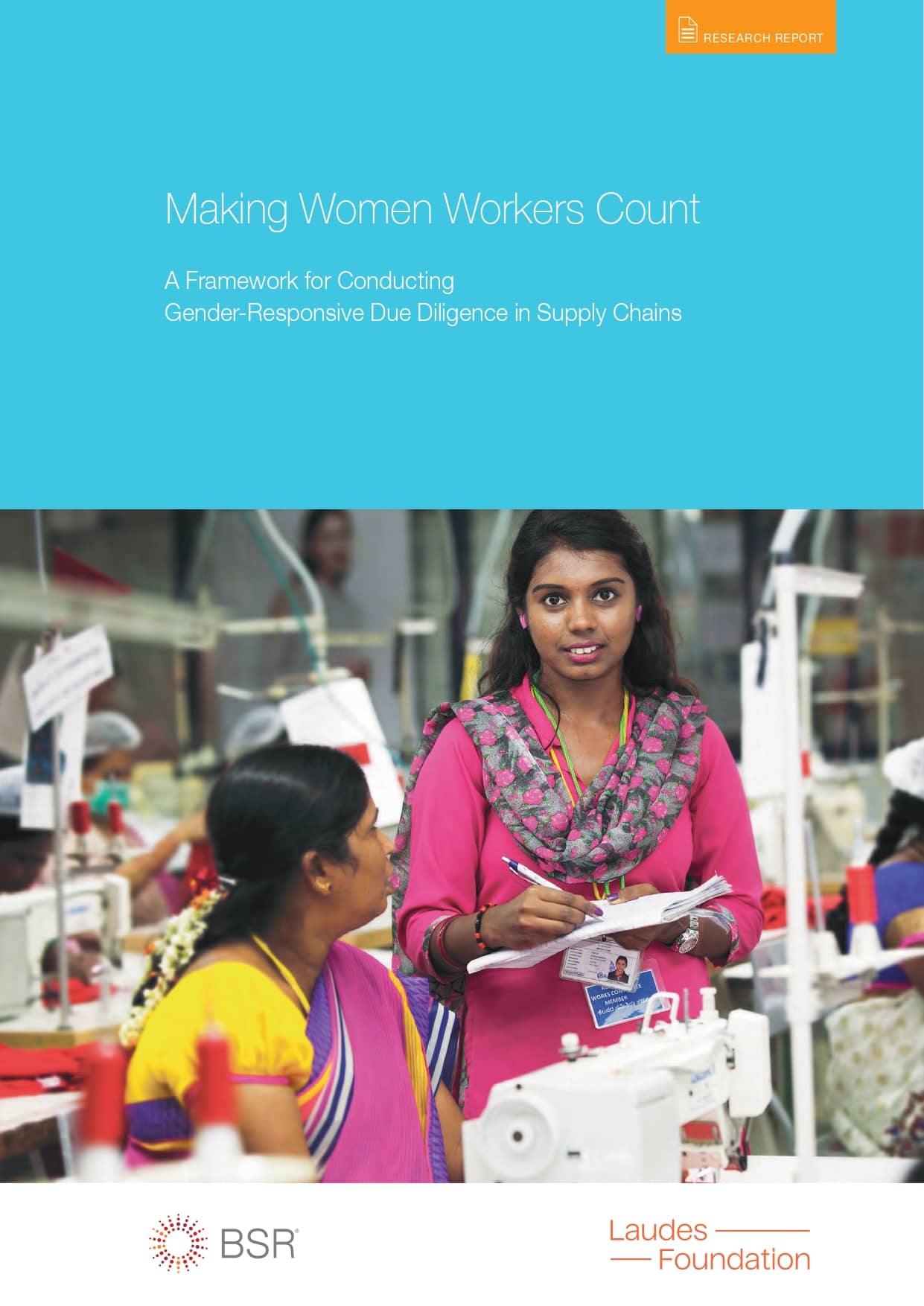
Making Women Workers Count A Framework for Conducting Gender-Responsive Due Diligence in Supply Chains (BSR and laudes foundation 2019)
From Red to Green Flags - The Corporate Responsibility to Respect Human Rights in High-risk Countries (Institute for Human Rights and Business, 2011)
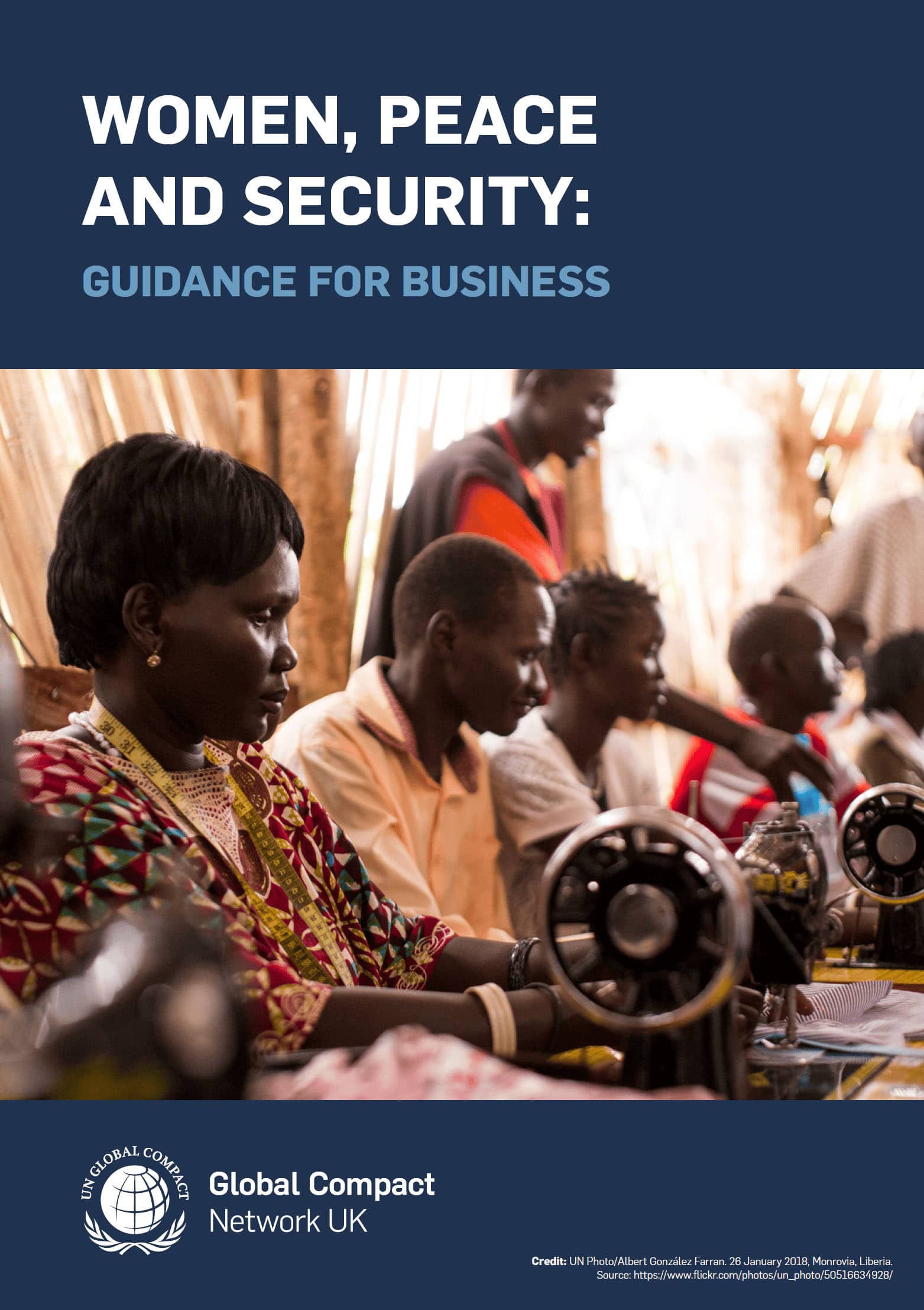
Women, Peace and Security: A Guidance for Business (Global Compact Network UK, 2021)
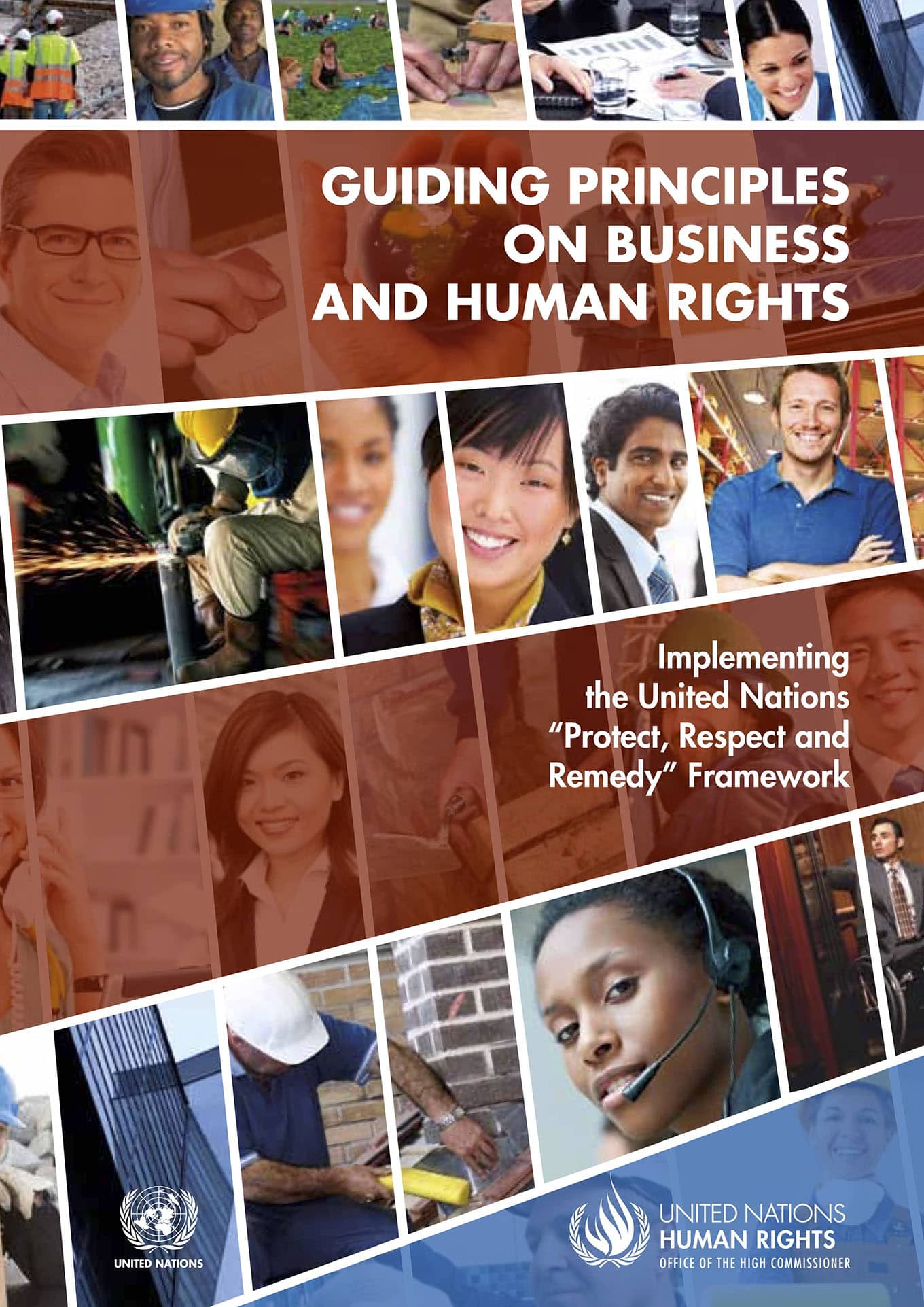
Guiding Principles on Business and Human Rights: Implementing the United Nations "Protect, Respect and Remedy" Framework (United Nations Human Rights, 2011)
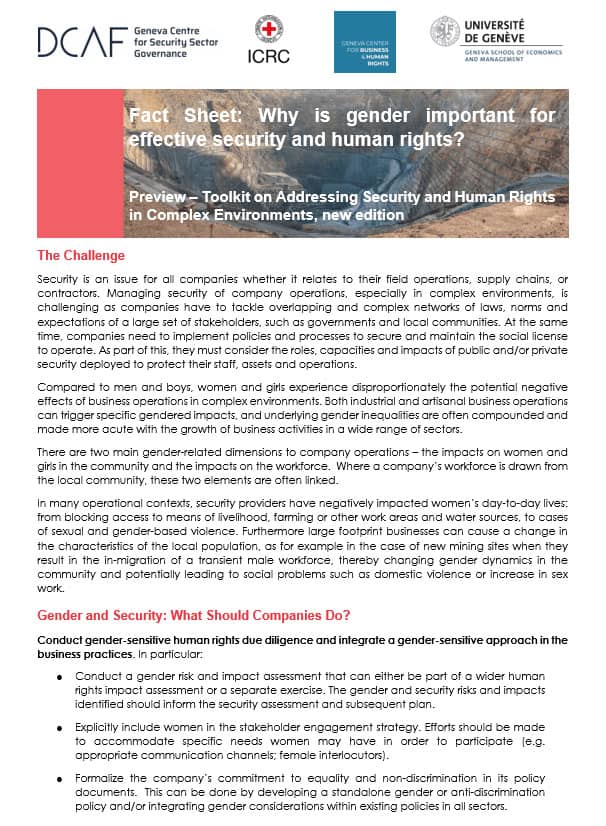
Factsheet: Why is gender important for effective security and human rights?
Shared Space Under Pressure: Business Support for Civic Freedoms and Human Rights Defenders (BHRRC & ISHR, 2018)
Gender-responsive Due Diligence for Business Actors: Human Rights-Based Approaches (Geneva Academy, 2018)
Human Rights Translated 2.0: A Business Reference Guide (Monash University, OHCHR, UNGC, 2017)
DCAF SSR Paper 13 - Business and Security Sector Reform: The Case for Corporate Security Responsibility (Mendes, 2015)
UN Security Sector Reform Intergrated Technical Guidance Notes (ITGN's, 2016)
OECD DAC Handbook on Security System Reform (2007)
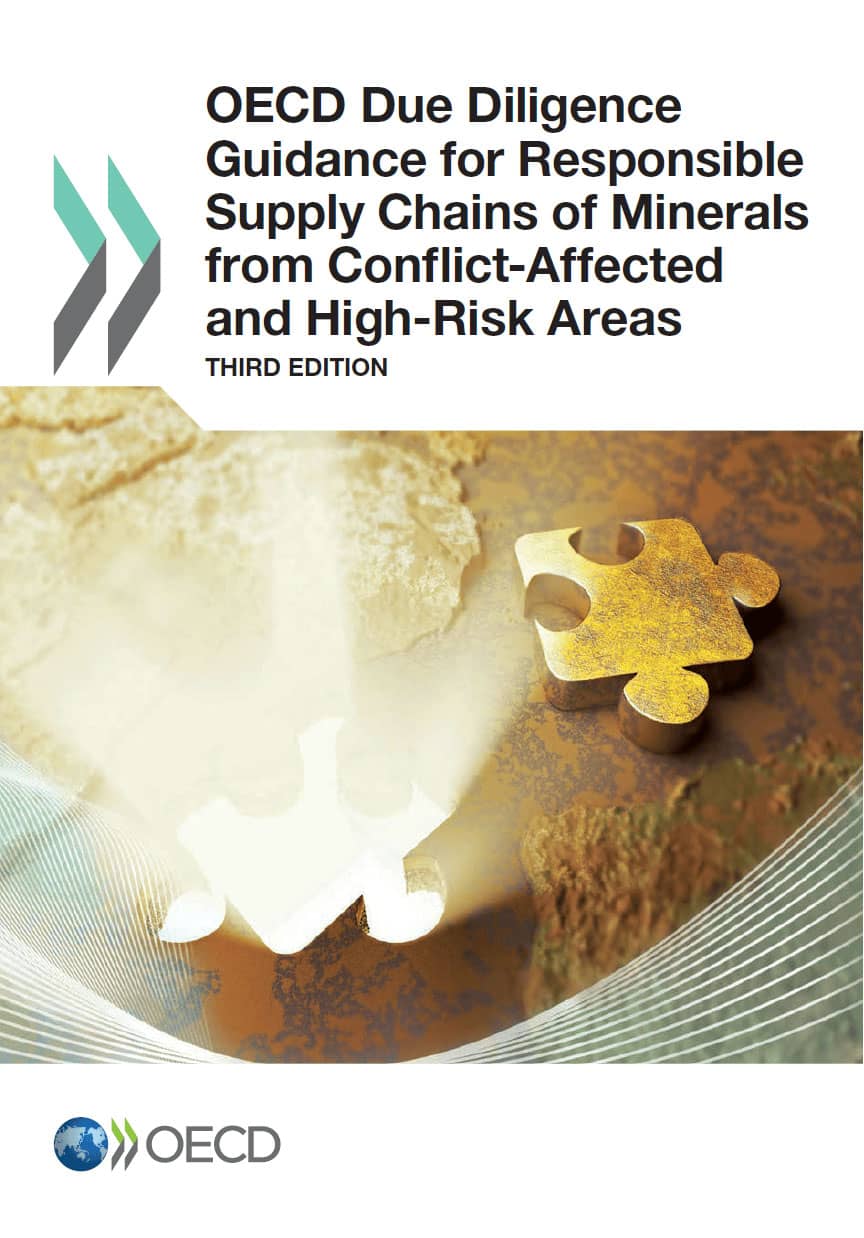
The OECD Due Diligence Guidance provides a framework and detailed due diligence recommendations ‚to help companies respect human rights and avoid contributing to conflict through their sourcing decisions, including the choice of their suppliers.
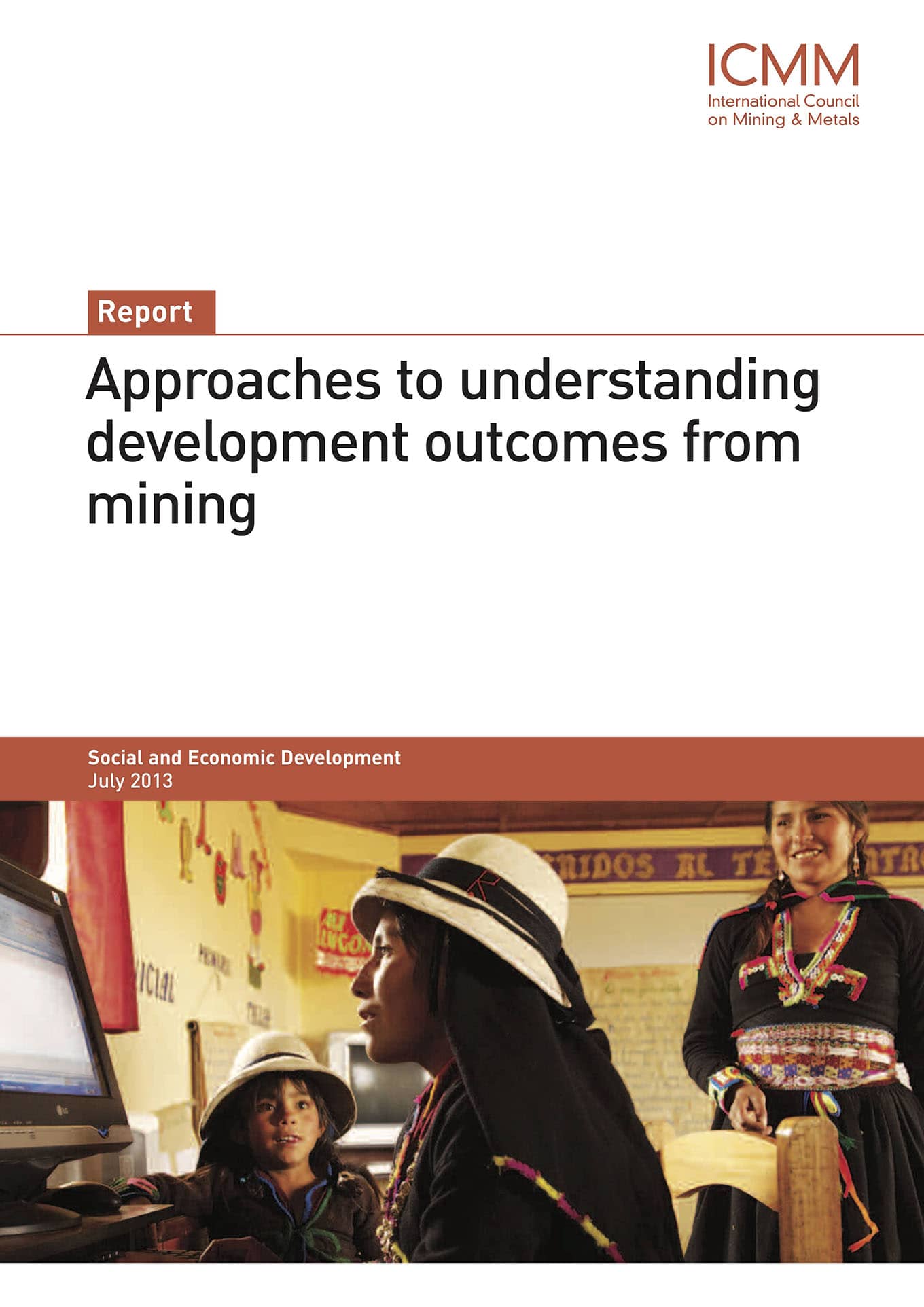
Approaches to Understanding Development Outcomes from Mining (ICMM, 2013)
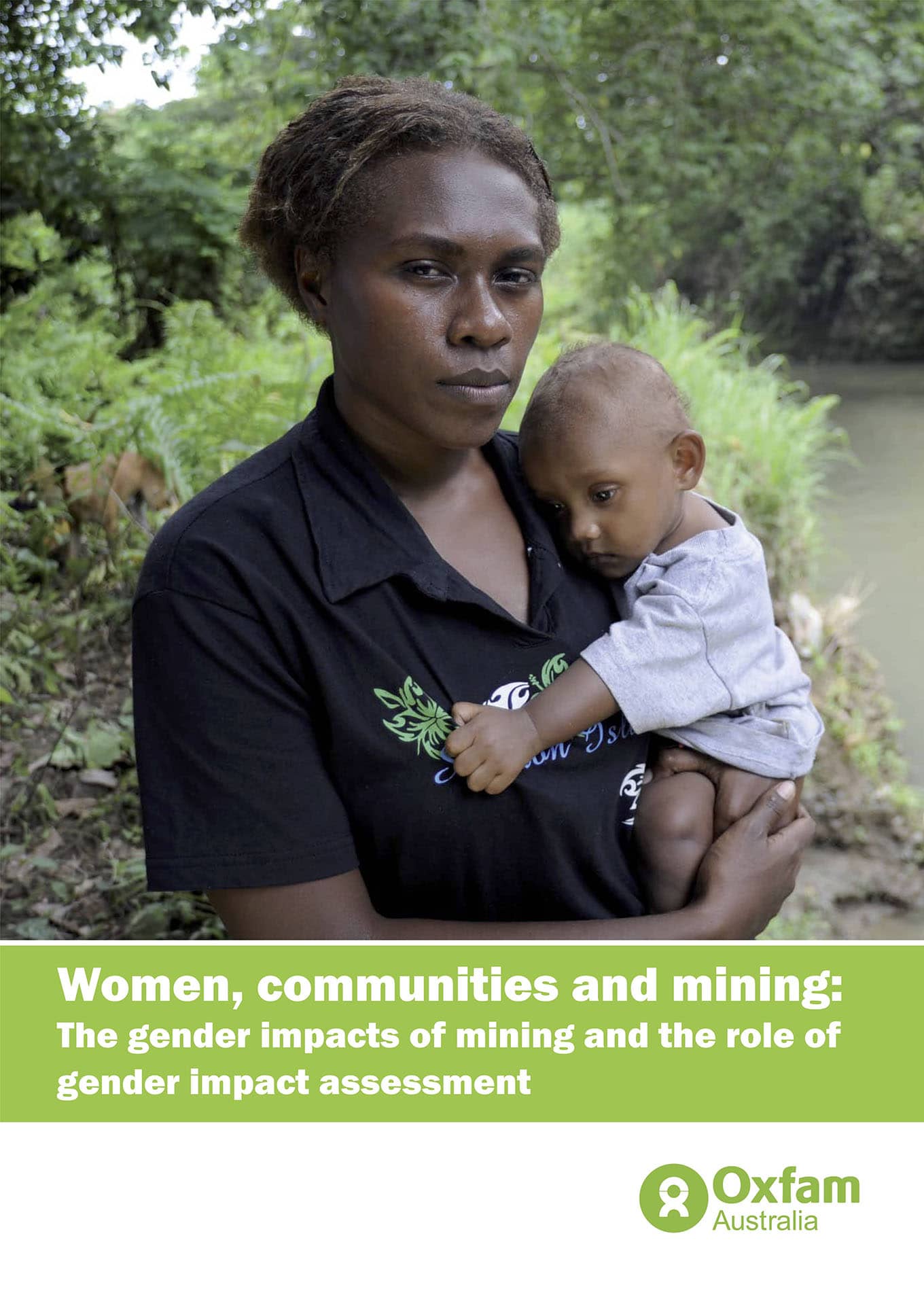
Women, Communities and Mining: The Gender Impacts of Mining and the Role of Gender Impact Assessment (Oxfam Australia, 2009)
Mining: Partnerships for Development Toolkit (ICMM, 2006)
Due Diligence Guidance for Meaningful Stakeholder Engagement in the Extractive Sector (OECD, 2017)
A Strategic Approach to Early Stakeholder Engagement - Good Practice Handbook for Junior Companies in the Extractive Industries (IFC, 2013)

The term ‘human rights defenders’ refers to a range of people, who peacefully stand up in defence of human rights whether individually or collectively.

Compared to men and boys, women and girls experience disproportionately the potential negative effects of business operations in complex environments.

Mainstreaming a Gender-Sensitive Approach in Risk and Impact Assessments
Performance Indicators for Private Security Personnel

In June 2022, DCAF, the ICRC, and the GCBHR will launch cutting-edge practical guidance for companies on responsible security management: The Security and Human Rights Toolkit.
The OECD Due Diligence Guidance for Responsible Business Conduct provides practical support to enterprises on the implementation of the OECD Guidelines for Multinational Enterprises.
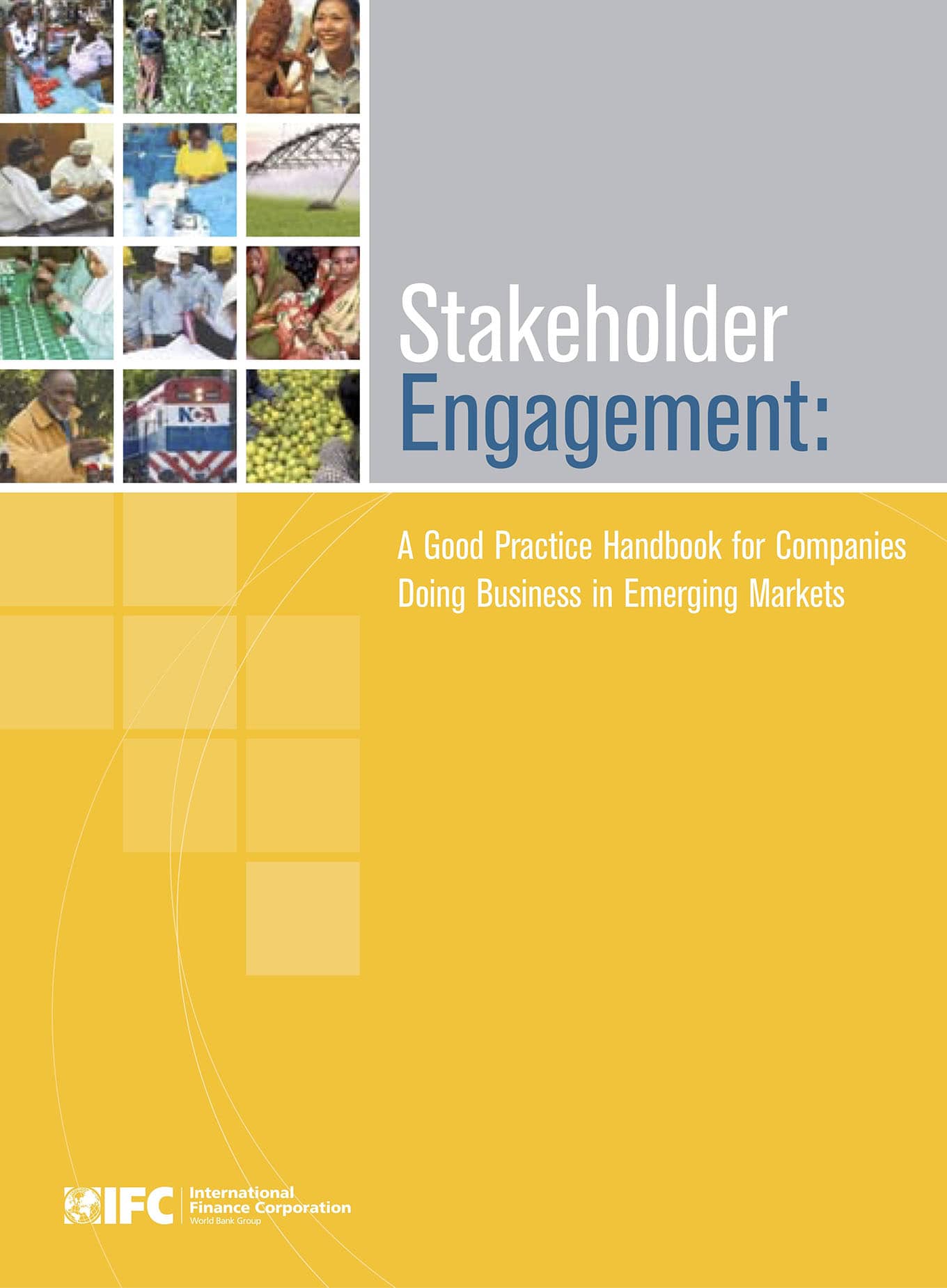
This handbook provides a comprehensive overview of good practices in stakeholder engagement with communities, host governments and non-governmental organizations.

DCAF – Geneva Centre for Security Sector Governance
Business and Security Division
www.businessandsecurity.dcaf.ch
Chemin Eugène-Rigot 2E,
CH-1202 Geneva Switzerland
Tel: +41 (0) 22 730 94 18
Contact us
International Committee of the Red Cross (ICRC)
www.icrc.org
Avenue de la Paix 19, 1202 Geneva, Switzerland
Economic Adviser
Department of International Law and Policy
Tel: +41 (0) 22 734 6001
Contact us